
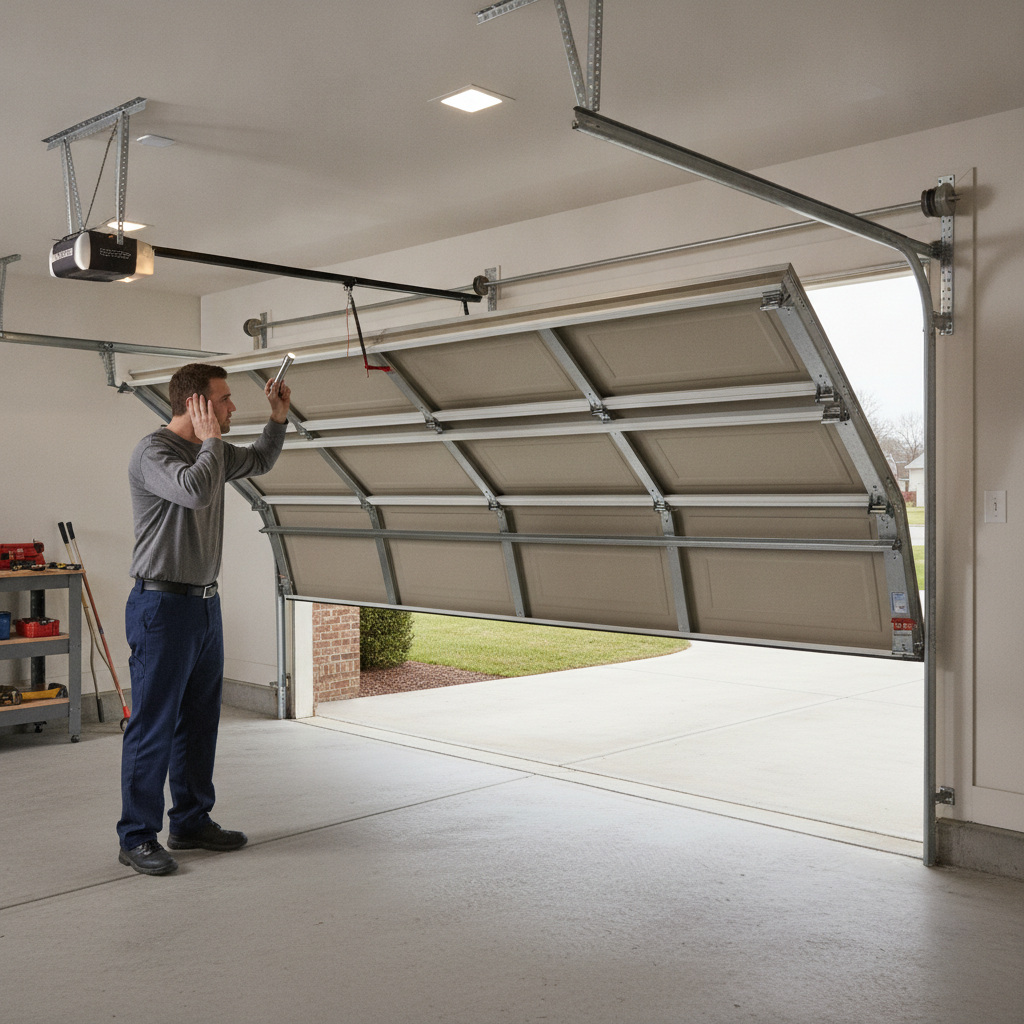
A garage door making loud noises usually points to worn moving parts, poor lubrication, loose hardware, track issues, spring problems, or an opener that is working harder than it should. Some sounds are minor maintenance warnings. Others may signal a safety concern, especially if the door looks crooked, shakes, hangs unevenly, or refuses to move smoothly.
The exact sound can help narrow down the likely cause. However, several garage door problems can create similar noises. A trained technician may need to inspect the door, opener, springs, cables, rollers, tracks, and hardware before confirming the repair.
Common Garage Door Noises and What They May Mean
Garage doors are heavy systems with many moving parts. Rollers travel through metal tracks, hinges flex between door sections, springs carry much of the door’s weight, and the opener guides the door through each cycle. As a result, one worn or misaligned part can make the entire system sound rough.
Here are common sounds homeowners notice:
- Squeaking or squealing: Often related to dry rollers, hinges, bearings, or spring hardware.
- Grinding: May point to worn rollers, damaged opener gears, or metal parts rubbing together.
- Rattling: Can be caused by loose nuts, bolts, hinges, brackets, or track hardware.
- Popping or banging: May involve spring tension, binding door sections, or track movement.
- Scraping: Could mean the door is rubbing the track, frame, or another part of the system.
- Humming without movement: Often suggests the opener is trying to run but the door or opener mechanism is not moving correctly.
If the door sounds different than usual, do not ignore the change. Noise often develops before a part fails completely.
Why Your Garage Door Is Making Loud Noises
The most common causes of loud garage door noise are worn rollers, loose hinges, bent tracks, dry metal parts, spring or cable issues, and opener strain. The good news is that many warning signs are visible without taking anything apart.
For example, you may be able to stand inside the garage at a safe distance and watch the door move. Look for shaking, uneven movement, gaps along the tracks, loose-looking hinges, or rollers that wobble. Also listen for the point in travel where the noise happens. A sound near the floor may suggest a different issue than a sound near the top of the track or opener rail.
However, safe observation is different from repair. Do not remove brackets, loosen cables, adjust springs, or force a noisy door to keep running. Garage doors use high-tension components that can cause serious injury if handled incorrectly.
Rollers, Hinges, and Track Problems
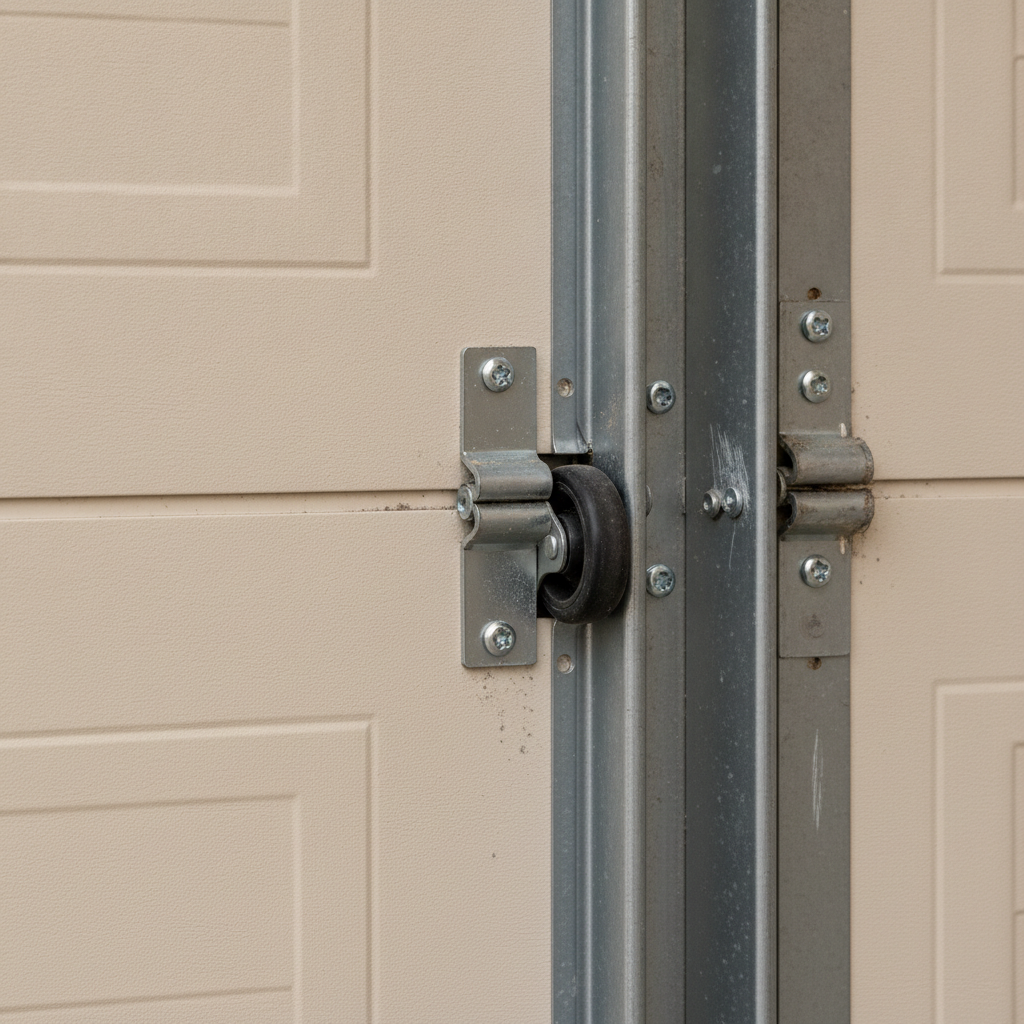
Rollers and hinges do much of the daily work. Each time the door opens, rollers guide the door through the tracks while hinges allow the sections to bend around the curve. If these parts wear out, the door may squeak, grind, shake, or sound like it is dragging.
Worn rollers may look cracked, flattened, tilted, or loose on their stems. Metal rollers can become especially noisy if they lack proper lubrication or if the bearings wear down. Meanwhile, damaged hinges may cause sections to shift slightly as the door moves.
Track problems can also create loud noises. A track may be loose, bent, dirty, or out of alignment. If the rollers cannot move smoothly, the door can bind and create popping, scraping, or banging sounds. If the door also appears uneven, tilted, or stuck on one side, review the warning signs in our guide to a garage door looks crooked and avoid operating the door until it is checked.
Homeowners can safely look for obvious debris in the tracks and visible loose hardware. However, do not bend tracks back into place or loosen track brackets while the door is under load. The door can shift unexpectedly.
Spring, Cable, and Balance Issues
Garage door springs help counterbalance the door’s weight. Most residential doors use either torsion springs mounted above the door or extension springs along the horizontal tracks. If a spring is worn, weak, broken, or out of balance, the opener may struggle and the door may become loud or jerky.
Spring-related noises can include loud bangs, popping sounds, squeaks, or groans under tension. A broken spring may leave the door extremely heavy. You might also notice a visible gap in a torsion spring, a hanging extension spring, or cables that look loose or uneven.
Cables work with the springs and bottom brackets to lift the door evenly. If a cable frays, slips, or breaks, the door may hang crooked, scrape a track, or slam down. This is a serious safety concern.
If you suspect a spring or cable issue, stop operating the door. Keep people and pets away, avoid standing beneath the door, and do not try to lift or force it. Spring and cable repairs require professional tools, training, and safety procedures.
Garage Door Opener Noise and Strain
Sometimes the door itself is not the only source of noise. The garage door opener may grind, hum, click, rattle, or vibrate. Common opener-related causes include worn gears, a loose chain or belt, rail vibration, poor door balance, or an opener motor working against resistance.
A noisy opener can also be a symptom rather than the main problem. For example, if the door is heavy because of spring wear, the opener may sound louder because it is under extra strain. Therefore, replacing opener parts without checking the door balance may not solve the issue.
Pay attention to how the opener behaves. If the door reverses, moves unevenly, stops partway, or takes longer than normal, there may be a mechanical problem in the door system. Our article on why a garage door is slow to open explains additional causes that can overlap with noisy operation.
Also check the safety sensors if the door will not close properly. Misaligned sensors usually do not cause grinding noises, but repeated reversing can make homeowners think the opener is failing. Keep the sensor lenses clean and make sure nothing blocks the beam.
Safe Checks Before Calling for Service
Some basic observations can help you describe the problem accurately. These checks do not require tools and should not put you near high-tension parts.
- Listen for where the noise starts: near the opener, tracks, springs, or lower door sections.
- Watch whether the door moves smoothly or shakes during travel.
- Look for loose hinges, missing roller stems, bent tracks, or visible gaps.
- Check whether weather seals are dragging or folded under the door.
- Make sure items in the garage are not rubbing the door or track.
- Inspect the opener rail and ceiling supports from a safe distance for obvious vibration.
Lubrication may help if the noise comes from dry hinges, rollers, or bearings. Use only a garage-door-appropriate lubricant and avoid overapplying it. Do not grease the tracks, because rollers need to roll rather than slide through packed lubricant and dirt.
If the noise is sudden, harsh, or paired with uneven movement, stop using the door. Also stop if you see a broken spring, frayed cable, loose bottom bracket, or door section pulling away from the hardware.
Frequently Asked Questions
Is a noisy garage door dangerous?
Not always. Some noises come from dry or worn parts. However, loud banging, crooked movement, loose cables, or a door that feels heavy may indicate a safety issue.
Can I spray lubricant on a loud garage door?
You can lubricate appropriate moving parts if the door is otherwise stable. Avoid spraying tracks heavily, and do not attempt to lubricate or adjust parts that appear damaged or under high tension.
Why does my garage door make a loud bang?
A loud bang can happen when a spring breaks or when a door binds and releases suddenly. Stop using the door and have the spring, cables, tracks, and hardware inspected.
When to Have a Professional Inspect the Noise
Professional help is appropriate if the noise is getting worse, the door shakes, the opener strains, or any spring, cable, roller, hinge, or track looks damaged. You should also schedule service if the door is off track, crooked, stuck, or difficult to lift manually.
Ultimate Garage Doors LLC helps homeowners and property owners in Indianapolis and surrounding Central Indiana diagnose noisy garage doors and repair the cause safely. If your door is making loud noises and you are unsure whether it is safe to use, request a free garage door estimate before the problem leads to additional wear or damage.