
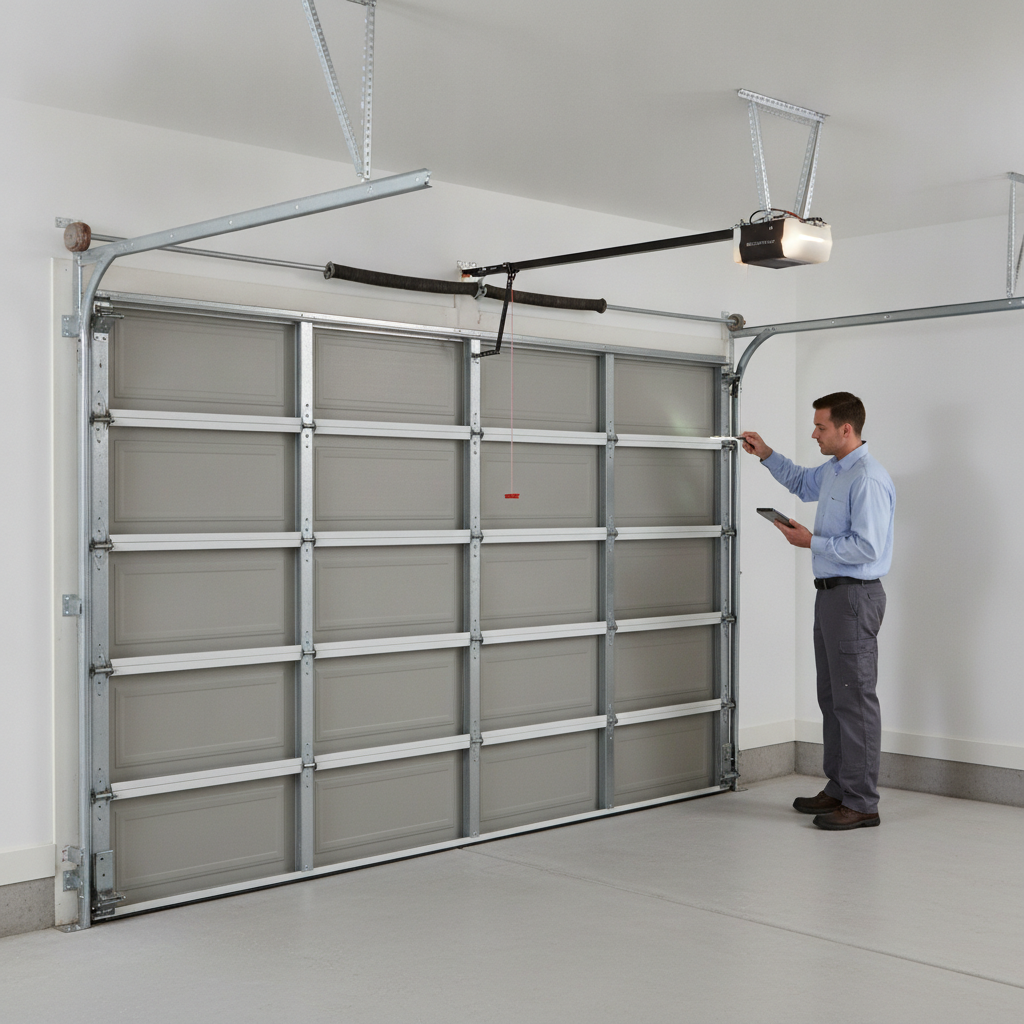
How long do garage door springs last? Springs are rated by cycles — one open-and-close equals one cycle — rather than by strict years. Many standard residential springs are rated for about 10,000 cycles, while higher-cycle options are available. Actual lifespan depends on how often the door is used, whether the spring matches the door, installation quality, and environmental conditions.
How Garage Door Spring Lifespan Is Measured
Manufacturers describe spring life in cycles because that directly reflects mechanical wear. A 10,000-cycle spring used twice a day could last roughly 13 years, while the same spring used ten times daily will reach its limit much sooner. Torsion springs (mounted above the door) and extension springs (mounted along the tracks) both use cycle ratings, but they differ in how they store and release energy.
Usage Patterns Make a Big Difference
Daily patterns greatly influence calendar life. A busy household or commercial setting that cycles a door many times per day will reduce the spring’s lifespan. Seasonal behavior matters too: families may use the garage more in bad weather, and temperature swings can affect lubrication and metal fatigue.
- Light use: One to two cycles per day extends calendar life.
- Moderate use: Three to five cycles per day shortens it noticeably.
- Heavy use: Six or more cycles per day can wear springs out quickly.
Door Weight, Balance, and Installation Affect Wear
Springs must be properly matched to the door’s weight and balance. Doors differ in size, material, insulation, and hardware, all of which change weight. An incorrectly sized spring or poor installation can leave the system unbalanced, causing the springs and opener to work harder and wear faster.
Poor balance also increases wear on rollers, cables, and the opener. If the door is sticking or struggling in places, the cause may involve tracks, rollers, or hardware rather than the springs alone. A qualified technician can diagnose whether spring replacement, track adjustment, or other repairs are needed to restore smooth operation. See our guide on Why Does My Garage Door Keep Getting Stuck? for common causes and fixes.
Maintenance That Can Help Springs Last Longer
Regular maintenance won’t stop springs from eventually wearing out, but it can reduce additional strain on the system. Safe homeowner checks include listening for unusual noises, watching the door’s movement for uneven travel, and keeping the track area clear. Avoid touching springs, cables, drums, or bottom brackets — these parts remain under tension.
Professional maintenance typically includes lubrication of appropriate parts, balance testing, and inspection for wear or corrosion. Technicians can recommend higher-cycle springs for heavily used doors and correct spring sizing after any door upgrades.
Warning Signs Your Garage Door Springs May Be Wearing Out
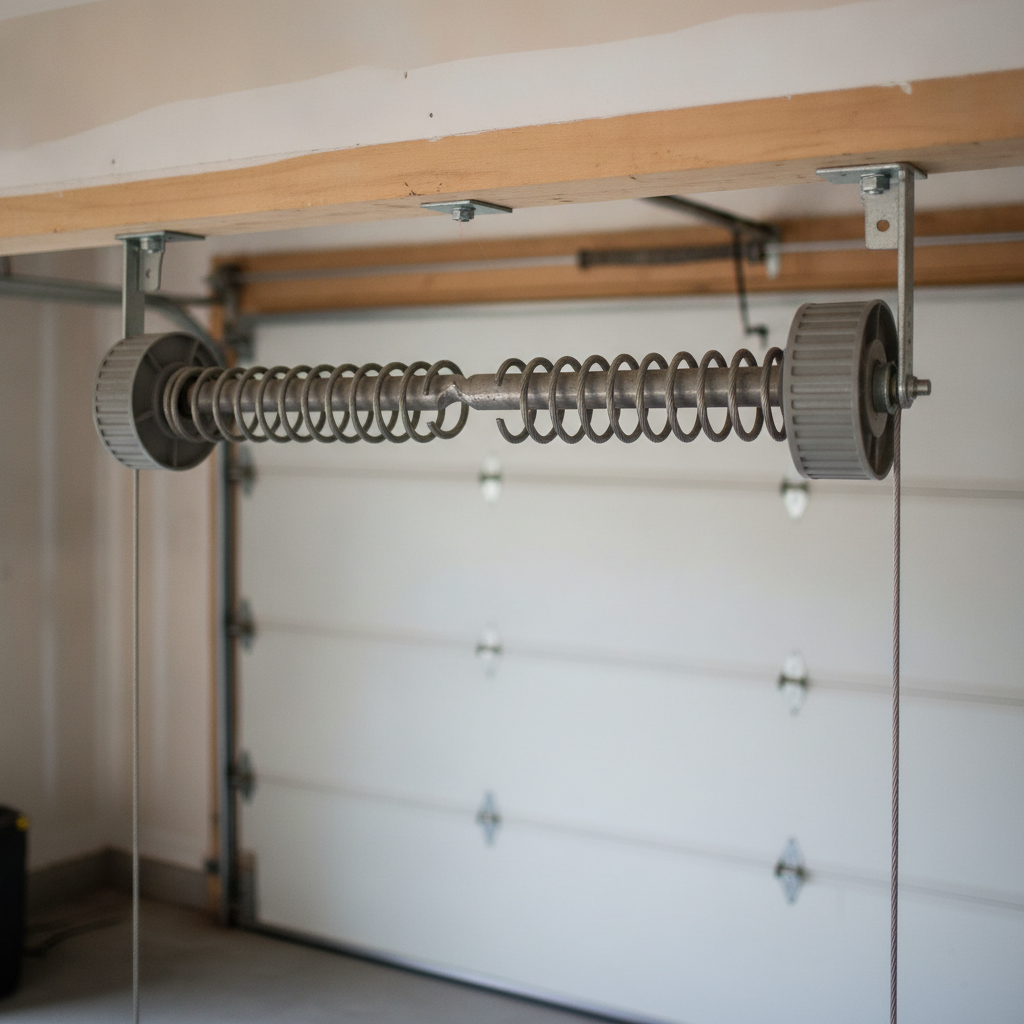
Springs often show signs before they fail, though breaks can be sudden. Treat any warning sign seriously and avoid using the door until a professional evaluates it.
- Visible gap in a torsion spring: Usually indicates a broken coil.
- Door feels very heavy: Springs may no longer support the door’s weight.
- Opener strains or hums: The opener may be lifting more than it should.
- Door rises a few inches and stops or moves jerkily: Spring or related hardware may be failing.
- Loud bang from the garage: A common sign of a spring break.
A door that closes too quickly or drops unexpectedly is a serious hazard; if your garage door closes too fast, stop using it and keep people and pets away until inspected. Never attempt to repair or wind springs yourself — winding, unwinding, or handling high-tension components is dangerous.
Can You Predict the Exact Date a Spring Will Break?
No. Cycle ratings offer estimates but not guarantees. Two identical springs may fail on different schedules due to installation differences, humidity, corrosion, temperature changes, and variations in daily use. Rust or corrosion can accelerate failure, especially in climates with road salt, snow, or high humidity.
Frequently Asked Questions
How many years do garage door springs usually last?
It depends on cycle rating and use. A 10,000-cycle spring may last many years with light use but significantly less time with heavy daily cycling.
Should both garage door springs be replaced at the same time?
Often yes for doors with two springs, since paired springs typically have similar wear. A technician can recommend replacing both or only the failed spring after inspection.
Can I open my garage door with a broken spring?
No. A door with a broken spring can be very heavy and unstable. Leave the door closed if possible, keep the area clear, and call a trained garage door professional.
When to Call a Garage Door Professional
Call a professional if you see a broken spring, a visible gap in the coil, hear a loud bang, notice the door is crooked or unusually heavy, or the opener is straining. Springs, cables, drums, and bottom brackets are high-tension components and should be serviced only by trained technicians. A pro can identify the correct spring type and cycle rating, check balance, and inspect related hardware.
If you are in Indianapolis or Central Indiana and suspect your springs are worn or broken, request professional garage door service from Ultimate Garage Doors LLC.