
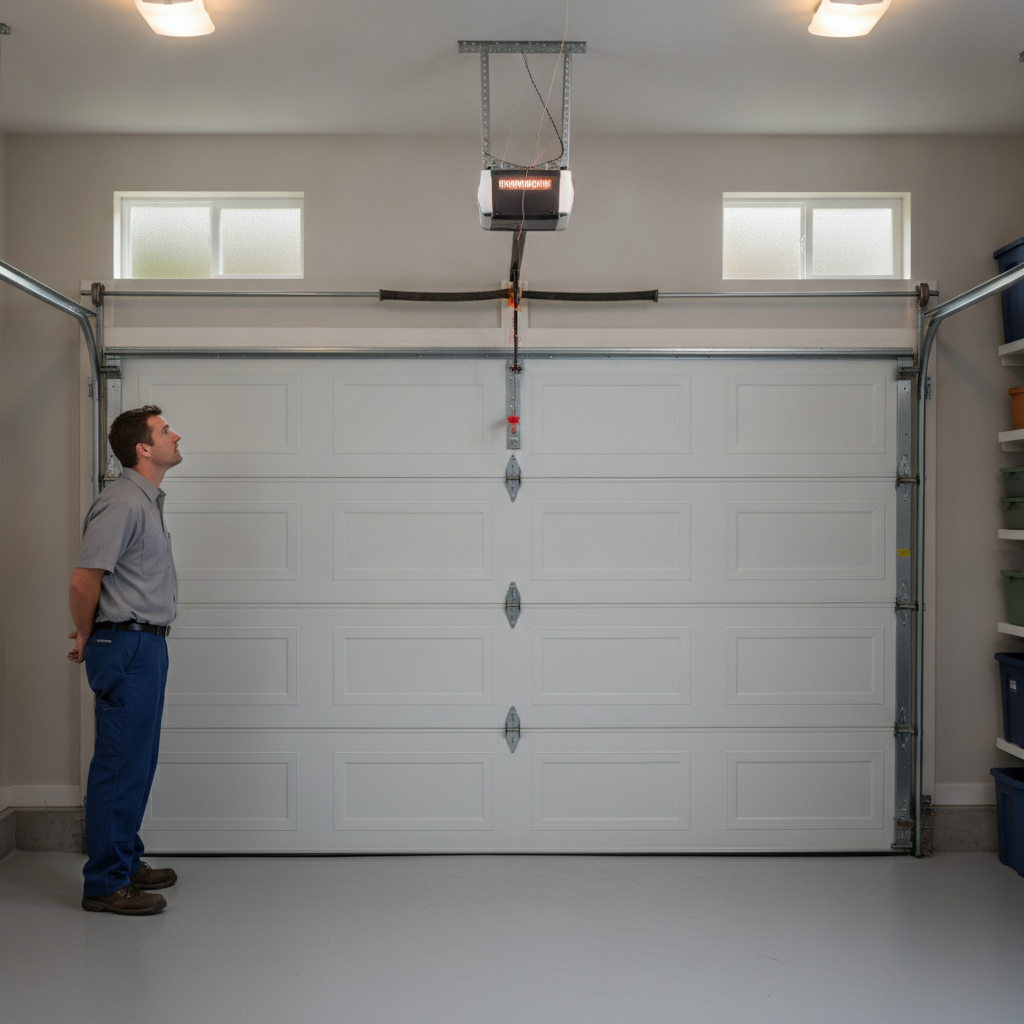
Torsion springs vs extension springs is a common question for homeowners learning how a garage door is balanced. Both systems counteract a door’s weight but do so differently: torsion springs twist on a shaft above the opening, while extension springs stretch along the horizontal tracks. Understanding the difference helps homeowners know what a technician inspects and why one system may be recommended.
The basic difference
Both spring types store mechanical energy to assist the opener and make the door safe to lift. Torsion springs are mounted on a torsion shaft above the door and wind/unwind through cable drums to lift the door evenly. Extension springs run along the sides of the door, stretching as the door closes and contracting to help raise it through pulleys and cables.
In short: torsion springs twist, extension springs stretch. Proper installation, sizing, and maintenance determine which performs better for a given door; torsion systems often provide smoother, more controlled movement.
How torsion systems work
Torsion springs sit on a shaft across the door’s width and connect to cable drums at each end. Cables attach to the bottom of the door and wrap on the drums as the springs wind. When the door opens, the springs unwind and rotate the shaft to lift the door evenly. These systems are common on newer and heavier residential doors and many commercial doors because they can be tuned to the door’s weight and size.
- Springs mounted above the opening
- Cable drums at both ends of a torsion shaft
- Smooth, balanced operation when properly set
Even with these advantages, torsion systems require professional service; the shaft, springs, drums, and cables operate under significant tension.
How extension systems work
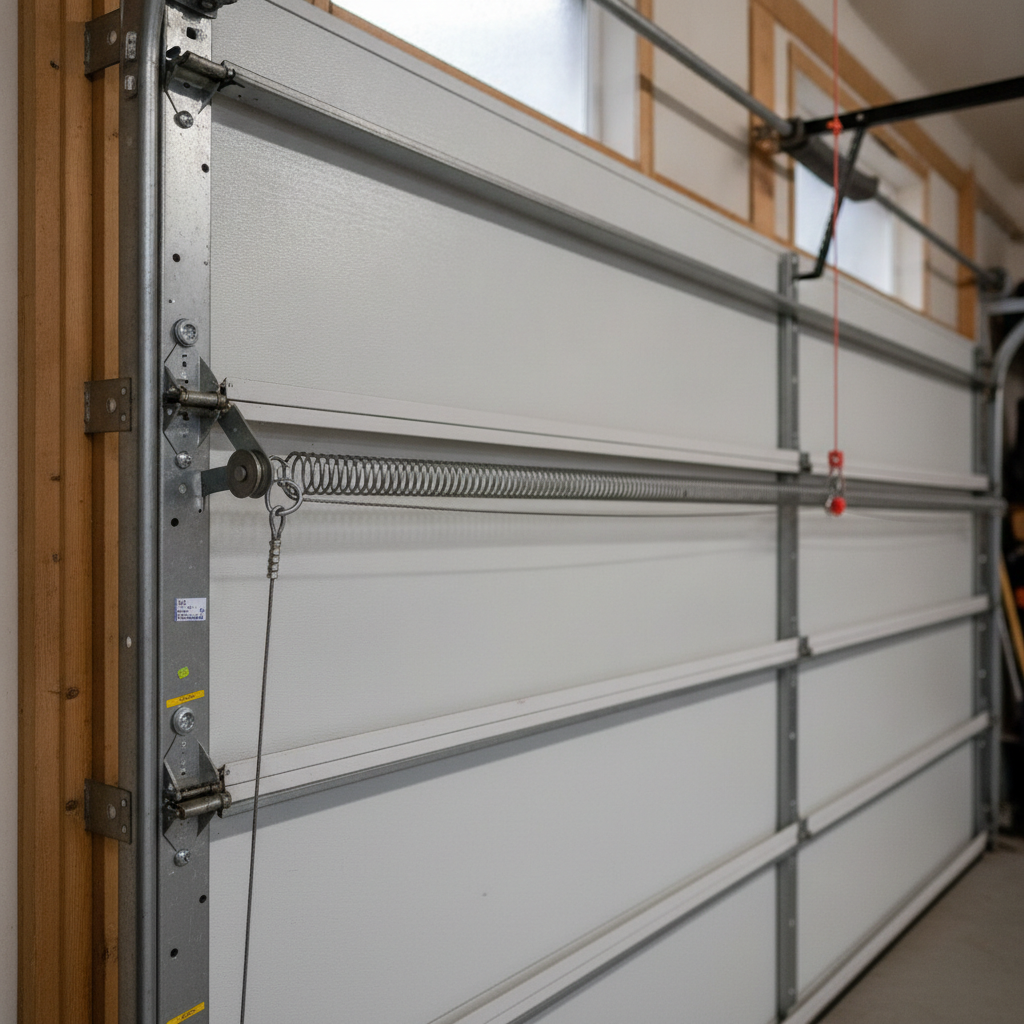
Extension springs are installed on either side of the door along the horizontal tracks. They stretch as the door lowers and contract to help pull it up using pulleys and lift cables. These setups are common on older doors, lighter single-car doors, or where limited headroom prevents a torsion shaft.
- One spring on each side of the door
- Pulleys and cables to transfer force
- Safety containment cables routed through each spring
Extension systems have more exposed moving parts and rely on safety containment cables to prevent an uncontrolled spring recoil if a spring breaks.
Typical applications and performance
Choice depends on door weight, width, headroom, track layout, and usage. Torsion springs are commonly used for modern overhead doors, heavier or double doors, and applications needing smoother travel. Extension springs suit some older or lighter doors and installations constrained by low headroom.
Performance varies with installation and condition. Torsion setups distribute torque through a shaft for steadier lifting. Extension setups work reliably when springs, pulleys, and cables remain balanced and maintained.
If a door binds, stops partway, or feels heavy, the springs may be a factor but other elements—track alignment, rollers, hinges, or the opener—can cause similar symptoms. For a broader look at causes, see our guide on why a garage door keeps getting stuck.
Safety differences homeowners should know
Garage door springs store dangerous amounts of energy. Homeowners should not attempt spring adjustments or replacements. Safe observations you can make include visible gaps in torsion springs, a separated or hanging extension spring, loose or frayed cables, a crooked door, or a loud bang followed by loss of lift. If you see these signs, stop operating the door and keep people and pets clear.
Extension springs should have containment cables running through them; without these, a broken spring can recoil unpredictably. Torsion springs are more centralized but are equally hazardous when damaged or improperly adjusted.
Replacement, conversion, and spring life
Replacing springs requires matching the system to the door’s weight, height, track configuration, drum size, and hardware. Using the wrong spring can make the door heavy, uneven, or hard on the opener. Broken springs are often replaced like-for-like, but conversions from extension to torsion are sometimes possible depending on headroom, framing, and hardware—such conversions involve more than just swapping springs.
Spring life depends on cycles, environment, door weight, and maintenance. For details on expected wear, see our article on how long garage door springs last. During a professional inspection a technician will typically check door balance, cables and drums, rollers and tracks, bottom brackets, opener force and reversal, and other hardware to prevent repeat issues.
Frequently Asked Questions
Are torsion springs better than extension springs?
Torsion springs are often preferred for smoother, more controlled movement, but extension springs can be appropriate for some lighter or low-headroom doors when installed with containment cables.
Can I replace garage door springs myself?
No. Spring replacement involves high-tension components and should be performed by a trained technician to reduce risk of serious injury or equipment damage.
Why does my garage door have two springs?
Using two springs helps distribute lifting force evenly and reduces stress on each spring. Many doors—especially wider or heavier ones—use multiple springs for balance and longevity.
Get safe help with garage door spring problems
If your door shows signs of spring failure, loose cables, or sudden heavy operation, stop using it and arrange a professional inspection. Ultimate Garage Doors LLC serves Indianapolis and Central Indiana and can evaluate spring systems and related issues. For assistance, request a professional garage door inspection.