
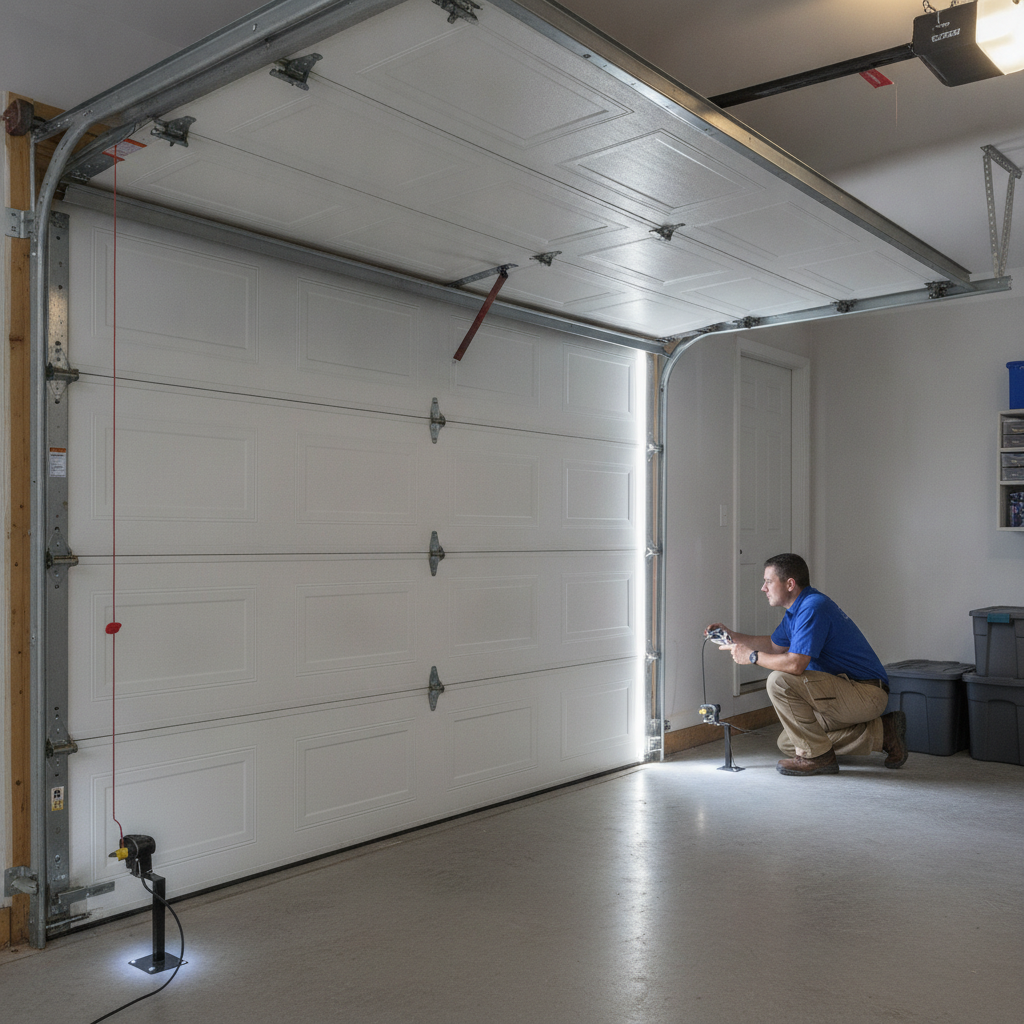
Yes, garage door sensors wear out or fail over time, even though they do not have one universal expiration date. Age, moisture, impact, wiring problems, and direct sunlight can all interfere with the safety beam. Sometimes the fix is simple, such as cleaning the lenses or correcting alignment. In other cases, cracked housings, corroded wiring, or repeated failures mean replacement is the safer choice.
Garage door sensors are small, but they are part of an important safety system. They help prevent the door from closing on people, pets, vehicles, or objects in the doorway. If the door reverses for no obvious reason, refuses to close, or only closes when the wall button is held down, the sensors should be checked before normal use continues.
How Garage Door Sensors Work
Most modern garage door openers use photoelectric safety sensors, often called photo eyes. One sensor sends an invisible beam across the bottom of the garage door opening, and the other sensor receives it. If something breaks the beam while the door is closing, the opener should stop and reverse the door.
These sensors are usually mounted near the floor on both sides of the door track. That low position helps them detect objects in the opening, but it also exposes them to dirt, water, foot traffic, bikes, trash cans, tools, and lawn equipment. For a broader look at how this safety feature fits into the opener system, see this guide to photo eyes and auto-reverse.
Can Garage Door Sensors Wear Out From Age?
Garage door sensors can wear out with age because they contain electronic parts, lenses, brackets, and wiring connections. Years of vibration from the door and opener can loosen hardware or stress wiring. Dust and grime can build up on the lenses, and repeated temperature changes can affect plastic housings and electrical contacts.
Age-related problems often appear gradually. The door may close normally one day, reverse unexpectedly the next, and then become less reliable over time. Sensors may also work during one part of the day and fail later, which can point to a weak component, a loose connection, or sunlight interference.
Age alone does not always mean the sensors must be replaced. Cleaning, alignment, or securing a loose connection may solve the problem. However, replacement is usually more dependable when the sensor body is cracked, the indicator lights fail repeatedly, or the system remains inconsistent after basic corrections.
Common Reasons Sensors Stop Working
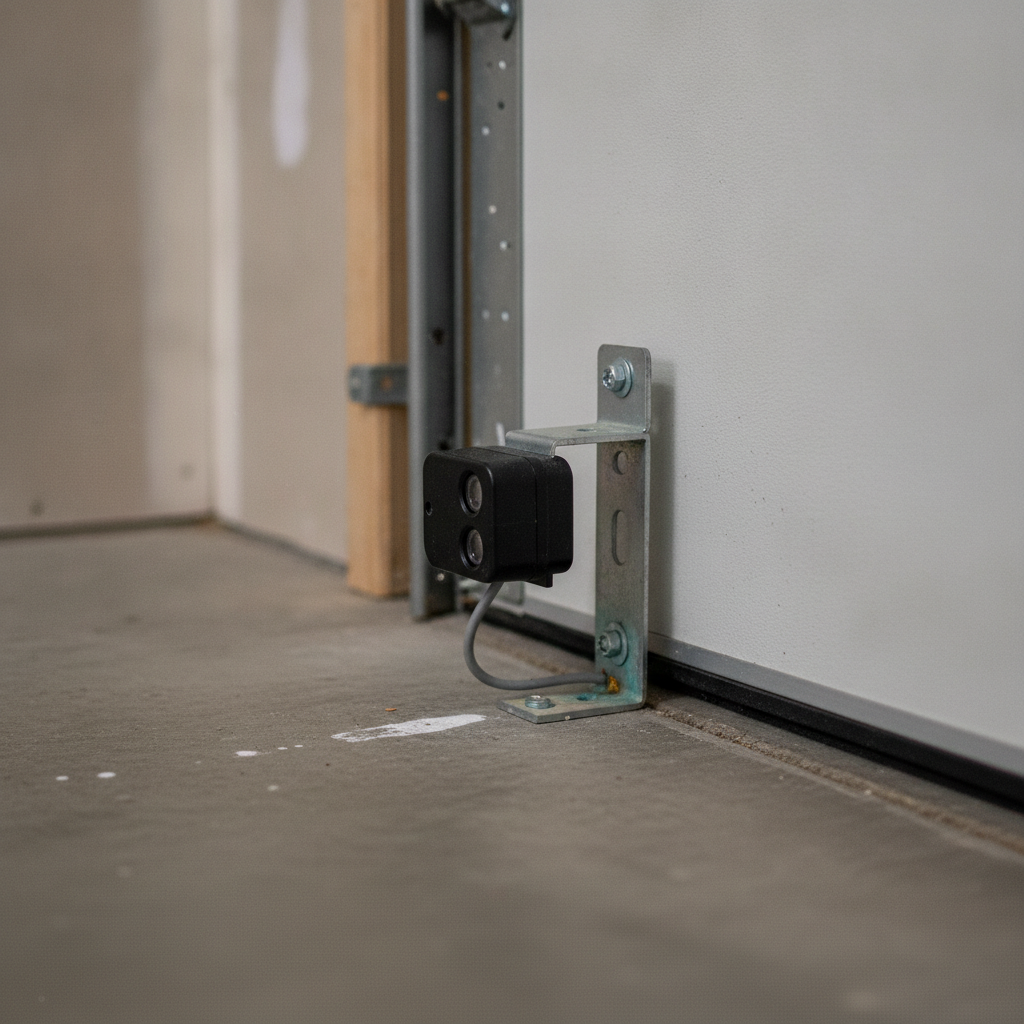
Several issues can create the same symptoms. The door may start down and reverse, the opener light may flash, or the door may refuse to close unless the wall control is held. The cause could be the sensors, wiring, sunlight, opener settings, or a separate door issue, so diagnosis matters.
Moisture and corrosion
Moisture is a common cause of sensor trouble. Rain, melting snow, wet tires, floor washing, condensation, and humid garage conditions can all expose sensors to water. If moisture reaches the sensor housing or wiring connection, corrosion can weaken or interrupt the signal.
Rusted brackets, cloudy lenses, or green or white buildup near terminals may suggest moisture damage. Sensors mounted close to the concrete are especially vulnerable because water and snowmelt often collect near the floor.
Impact and misalignment
A small bump can knock a sensor out of alignment. This can happen when moving a trash bin, storing bicycles near the track, or catching the sensor bracket with a broom, shovel, or garden tool. The sensors may not be broken, but the beam no longer lines up.
Impact can also crack the housing or bend the bracket. If a sensor will not stay aligned, the lens is damaged, or the bracket is loose, replacement may be needed instead of another adjustment.
Wiring problems
Sensor wires are low-voltage, but they still need secure, clean connections. Damaged insulation, loose staples, chewed wires, corroded terminals, or vibration at the opener head can interrupt the circuit.
Homeowners can visually inspect exposed wiring without disassembling anything. Look for obvious cuts, crushed sections, loose wire ends, or moisture damage. Avoid rewiring the system if you are unsure, because incorrect wiring can create new opener problems.
Sunlight interference
Direct sunlight can sometimes shine into the receiving sensor and interfere with the beam. This often happens at a specific time of day when the sun is low and aimed directly at the lens. The door may work in the morning but refuse to close in the afternoon.
Sunlight problems do not always mean the sensors are worn out. Still, older or weakened sensors may be more sensitive to glare. A technician can confirm whether the issue is sunlight, alignment, wiring, or sensor failure.
Signs Your Garage Door Sensors May Need Replacement
Some sensor problems can be corrected with cleaning or alignment. Others point to worn or damaged parts. Watch for patterns, especially if symptoms return after a basic check.
- The door reverses with nothing in the opening. The sensors may be dirty, misaligned, damaged, or failing.
- The indicator lights flicker or will not stay on. This can point to alignment trouble, loose wiring, or a worn sensor.
- The door only closes when you hold the wall button. Many openers behave this way when the safety sensor circuit has a problem.
- The housing is cracked or loose. Physical damage can prevent reliable operation.
- Problems appear during rain, snow, or high humidity. Moisture may be affecting the sensors or wiring.
- The issue happens at the same time of day. Direct sunlight may be interfering with the receiving sensor.
- Cleaning and alignment do not help. Persistent symptoms may mean the sensors should be replaced.
Do not assume the sensors are the only possible cause. Similar symptoms can come from opener settings, door balance, track resistance, or other mechanical issues. If the door seems heavy, crooked, unstable, or off-track, stop using it and call a professional.
Safe Checks Homeowners Can Make
There are a few safe observations homeowners can make before scheduling service. These checks do not involve springs, cables, bottom brackets, or other high-tension parts.
- Clear the opening. Remove boxes, toys, tools, leaves, or debris from the path of the beam.
- Clean the lenses. Wipe each sensor gently with a soft, dry cloth. Avoid harsh cleaners.
- Check alignment visually. The sensors should face each other across the door opening.
- Observe the lights. Flickering, dim, or missing indicator lights can help a technician diagnose the issue.
- Inspect visible wiring. Look for obvious cuts, looseness, moisture, or crushed sections without pulling wires apart.
- Note timing and weather. Record whether the problem happens during sunlight, rain, cold, or humidity.
Never bypass the sensors to keep the door operating. A closing garage door can cause serious injury or property damage. It is also helpful to test the broader safety reversal system on a routine basis; this article on testing garage door auto-reverse explains what homeowners should watch for.
Repair or Replace: What Usually Makes Sense?
The right fix depends on what is actually wrong. If the sensors are dirty or slightly out of alignment, cleaning and adjustment may restore normal operation. If an accessible connection is loose, a technician may be able to secure it without replacing the sensors.
Replacement often makes sense when the sensor housing is cracked, the lens is damaged, wiring is corroded, or the sensors fail intermittently after alignment. Compatibility also matters. Not every sensor works with every opener model, so the replacement parts should match the opener and be installed at the proper height.
If the opener itself is outdated, unreliable, or missing modern safety features, a technician may also discuss opener replacement. That decision should be based on inspection, not guesswork.
Frequently Asked Questions
How long do garage door sensors last?
There is no exact lifespan for every sensor. Many last for years, but moisture, impact, wiring damage, sunlight, and garage conditions can shorten their service life.
Can I clean garage door sensors myself?
Yes. You can gently wipe the lenses with a soft, dry cloth and remove anything blocking the beam. Do not bypass the sensors or disassemble the opener.
Why does my garage door close only when I hold the wall button?
This often points to a safety sensor circuit issue, but alignment, wiring, sunlight, or opener problems may also be involved. A technician can confirm the cause.
When to Call a Garage Door Professional
Call a professional if the door keeps reversing, the sensors will not stay aligned, the indicator lights are inconsistent, or you see cracked housings, damaged wiring, or moisture inside the sensor area. Ultimate Garage Doors LLC helps homeowners and property owners in Indianapolis and Central Indiana diagnose opener and sensor problems safely. If your garage door sensors seem unreliable or the door will not close correctly, request a free garage door estimate for professional assistance.