
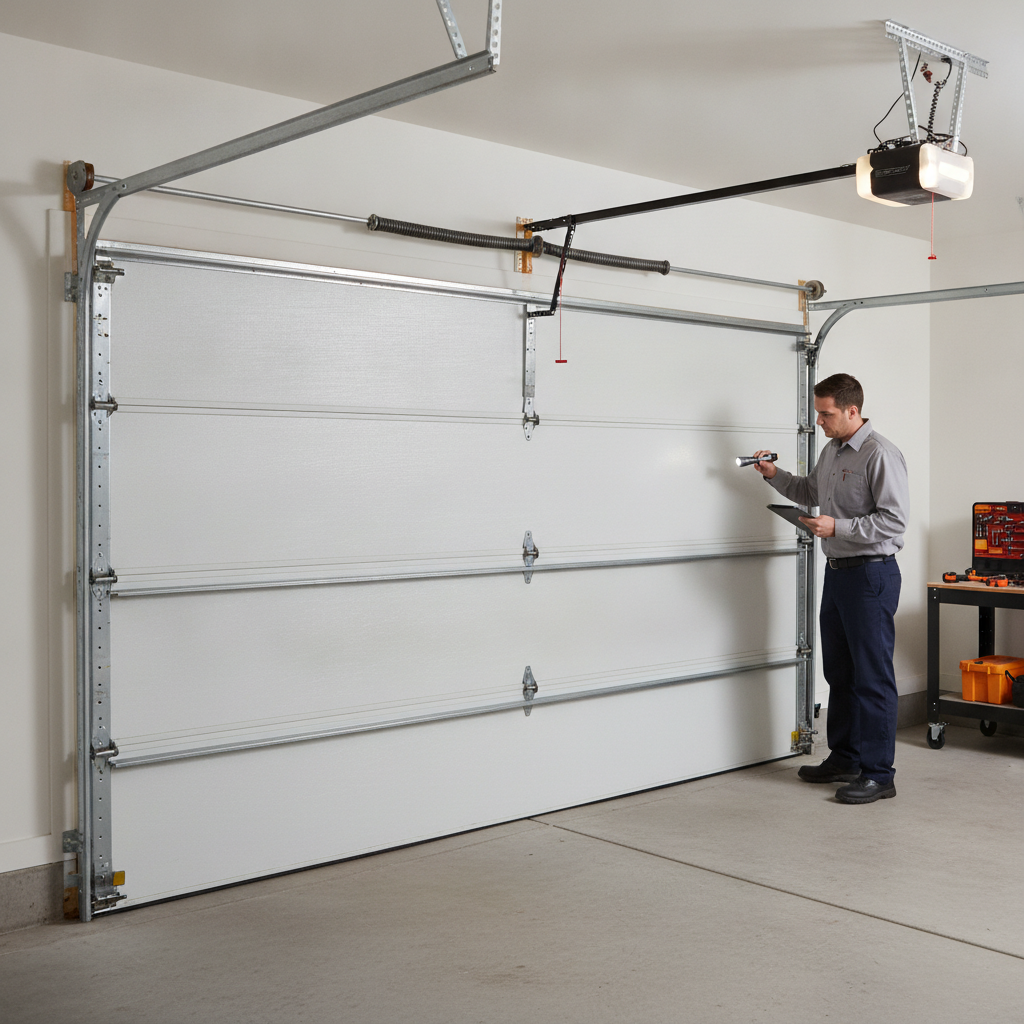
Professional garage door maintenance is a detailed checkup that helps keep your door operating safely, smoothly, and reliably. A technician typically inspects the door system, tests balance, checks hardware, lubricates moving parts, verifies safety features, and reviews the garage door opener. For homeowners in Indianapolis and Central Indiana, routine maintenance can also help catch small issues before they become inconvenient or unsafe problems.
Why Professional Garage Door Maintenance Matters
A garage door is one of the largest moving systems in a home. It relies on springs, cables, rollers, hinges, tracks, brackets, weather seals, and an opener working together. If one part wears out or shifts out of alignment, the whole system can become noisy, unreliable, or unsafe.
Professional maintenance is not just a quick spray of lubricant. It is a service visit focused on function, safety, and early problem detection. The technician looks for wear, looseness, imbalance, and signs that parts are under unusual stress.
Regular maintenance can help with several common goals:
- Reducing squeaks, grinding, and vibration
- Helping the door move more smoothly
- Spotting worn rollers, hinges, cables, or springs
- Checking whether the opener is working harder than it should
- Testing safety features that help prevent injury or property damage
- Extending the useful life of properly functioning components
Maintenance is not a guarantee that a part will never fail. Garage door components wear over time. The benefit is that a trained technician can often identify warning signs before the door stops working completely.
What Professional Garage Door Maintenance Usually Includes
Most maintenance visits follow a systematic process. The exact checklist may vary based on the door type, opener model, age of the system, and visible condition. Still, a complete service should cover the major moving, lifting, guiding, and safety components.
A technician will usually begin with a full visual inspection. This includes looking at the door panels, tracks, rollers, hinges, springs, cables, drums, brackets, weather seals, and opener hardware. The goal is to identify damaged, loose, worn, misaligned, or missing parts.
The technician may also operate the door several times to observe how it moves. A healthy door should travel smoothly without jerking, scraping, binding, or shaking excessively. Unusual movement can point to track issues, worn rollers, door balance problems, damaged hinges, or opener strain.
During this part of the visit, the technician may check for:
- Frayed or loose garage door cables
- Rust, gaps, or distortion in springs
- Worn or cracked rollers
- Bent or misaligned tracks
- Loose hinges, brackets, or fasteners
- Damaged door sections or cracked panel joints
- Worn bottom seals or side weatherstripping
- Excessive opener rail movement or vibration
Some items may only need adjustment or monitoring. Others may require repair or replacement. Because several problems can create similar symptoms, a professional inspection helps narrow down the actual cause.
Balance Testing and Spring System Review
Door balance is one of the most important parts of garage door maintenance. A properly balanced door should not feel extremely heavy, drop quickly, or shoot upward when disconnected from the opener. The spring system is designed to counterbalance the weight of the door, so the opener does not carry the full load.
During a balance test, a technician evaluates how the door behaves without relying only on the opener. If the door is too heavy, uneven, or difficult to control, the springs may be worn, improperly adjusted, or nearing the end of their useful service life. Torsion springs and extension springs are both high-tension components, so they require trained handling.
Homeowners can safely observe warning signs, but they should not adjust springs or cables. Stop using the door and keep people and pets away if you notice any of the following:
- The door slams shut or will not stay partially open
- The door opens crooked or hangs unevenly
- A spring appears broken or separated
- A cable is frayed, loose, or off the drum
- The opener strains, hums, or reverses unexpectedly
These symptoms can involve high-tension parts. Avoid standing under the door, forcing it open, or pulling on damaged hardware. A qualified garage door technician should inspect the system before it is used again.
Hardware Checks, Tightening, and Lubrication
Garage doors move many times during a normal week. Vibration can gradually loosen fasteners and wear down moving parts. A professional maintenance visit usually includes checking visible hardware and tightening appropriate components where needed.
This can include hinges, roller brackets, track brackets, opener mounting hardware, and other accessible fasteners. The technician may also look for elongated screw holes, cracked hinges, or worn roller stems. Tightening is helpful only if the hardware is still in good condition. If a part is bent, cracked, or badly worn, replacement may be safer.
Lubrication is another important part of maintenance. The right garage door lubricant can reduce friction and noise on metal moving parts. A technician may lubricate rollers, hinges, springs, bearings, and other recommended contact points based on the door design.
It is also important not to overdo it. Too much lubricant can attract dirt, drip onto surfaces, or create buildup where it does not belong. For more detail on timing and homeowner-safe lubrication basics, see this guide on garage door lubrication frequency.
Lubrication does not fix broken parts, poor balance, damaged rollers, or bent tracks. If a door remains loud after proper lubrication, the noise may be a symptom of wear or misalignment.
Safety Testing and Opener Review
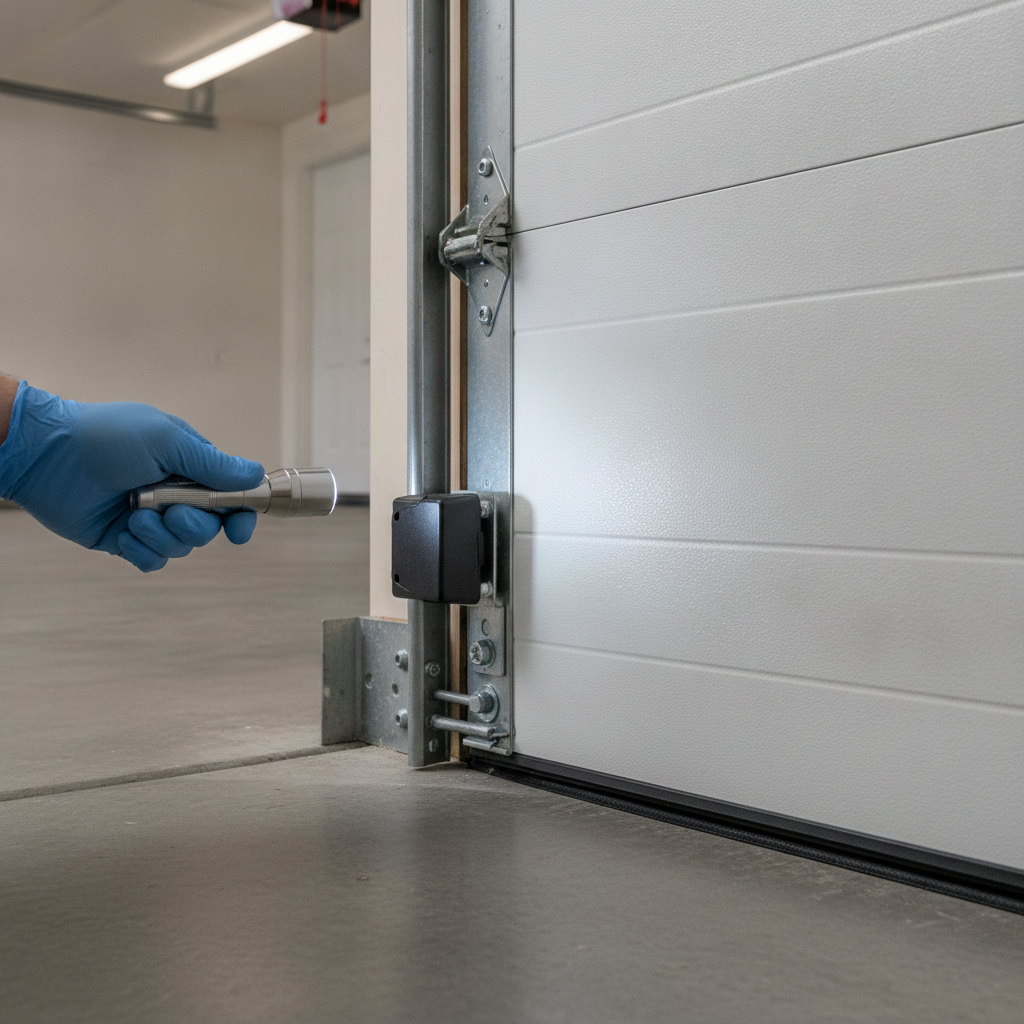
A professional maintenance visit should include testing the safety systems that help protect people, pets, vehicles, and stored items. Modern garage door openers include features designed to reverse the door if there is an obstruction or if the door meets resistance.
One key safety feature is the photo-eye sensor system. These sensors are mounted near the floor on both sides of the door opening and send an invisible beam across the doorway. If the beam is blocked while the door is closing, the opener should reverse the door.
A technician checks whether the sensors are secure, aligned, clean, and responding correctly. Sensor placement matters because a sensor mounted too high or too low may not provide the intended protection. If you are comparing your setup, this explanation of garage door sensor height covers the basic placement concept.
The opener review may also include checking the rail, chain or belt tension, trolley movement, wall control, remote controls, keypad operation, lights, emergency release, and force settings. The technician listens for grinding, clicking, or excessive vibration. These sounds may indicate a worn gear, loose hardware, opener strain, or door balance issue.
The opener should not be used to overcome a heavy or damaged door. If the door itself is out of balance, the opener may work harder than designed, which can make the system less reliable.
What Homeowners Can Check Between Service Visits
You do not need to be a technician to notice early warning signs. Safe observation between maintenance visits can help you decide when to schedule service. However, the key word is observation. Avoid adjusting springs, cables, bottom brackets, or any part under tension.
Occasionally, stand inside the garage at a safe distance and watch the door operate. Look and listen for changes from its normal behavior. Many garage door problems start subtly before they become obvious.
Homeowners can safely watch for:
- New grinding, squeaking, popping, or scraping noises
- A door that moves slower than usual
- Shaking, jerking, or uneven travel
- Gaps around the bottom seal or sides
- Visible track damage or loose-looking hardware
- Remote, keypad, or wall button problems
- Sensor lights that flicker or will not stay lit
- A door that reverses for no clear reason
If the door looks crooked, has come off track, or appears unstable, stop operating it. Keep people and pets away from the area. Do not try to pull the door back into place or force it closed.
For routine care, homeowners may keep sensor lenses clean, remove debris near the tracks, and watch weather seal condition. Deeper adjustments and high-tension repairs should be left to trained professionals.
Frequently Asked Questions
How often should a garage door be professionally maintained?
Many homes benefit from professional maintenance about once a year. Heavily used doors, older systems, rental properties, and commercial doors may need more frequent inspection.
Is garage door maintenance the same as a repair?
No. Maintenance is a preventive checkup that may include minor adjustments and lubrication. Repair is needed when a part is damaged, broken, unsafe, or no longer working properly.
Can I do garage door maintenance myself?
You can perform safe observations and basic cleaning. Spring work, cable work, balance correction, bottom bracket work, and off-track repairs should be handled by a qualified technician.
When to Schedule Professional Service
Professional maintenance is a smart choice if your door is noisy, uneven, slow, unreliable, or overdue for inspection. It is also helpful before seasonal temperature changes, after a minor impact, or when moving into a new home and you do not know the door’s service history.
If your garage door appears unstable, has a broken spring, has a loose cable, or is off track, stop using it and avoid standing beneath it. For maintenance, repair recommendations, or a closer look at a problem door in the Indianapolis area, request professional garage door service from Ultimate Garage Doors.