
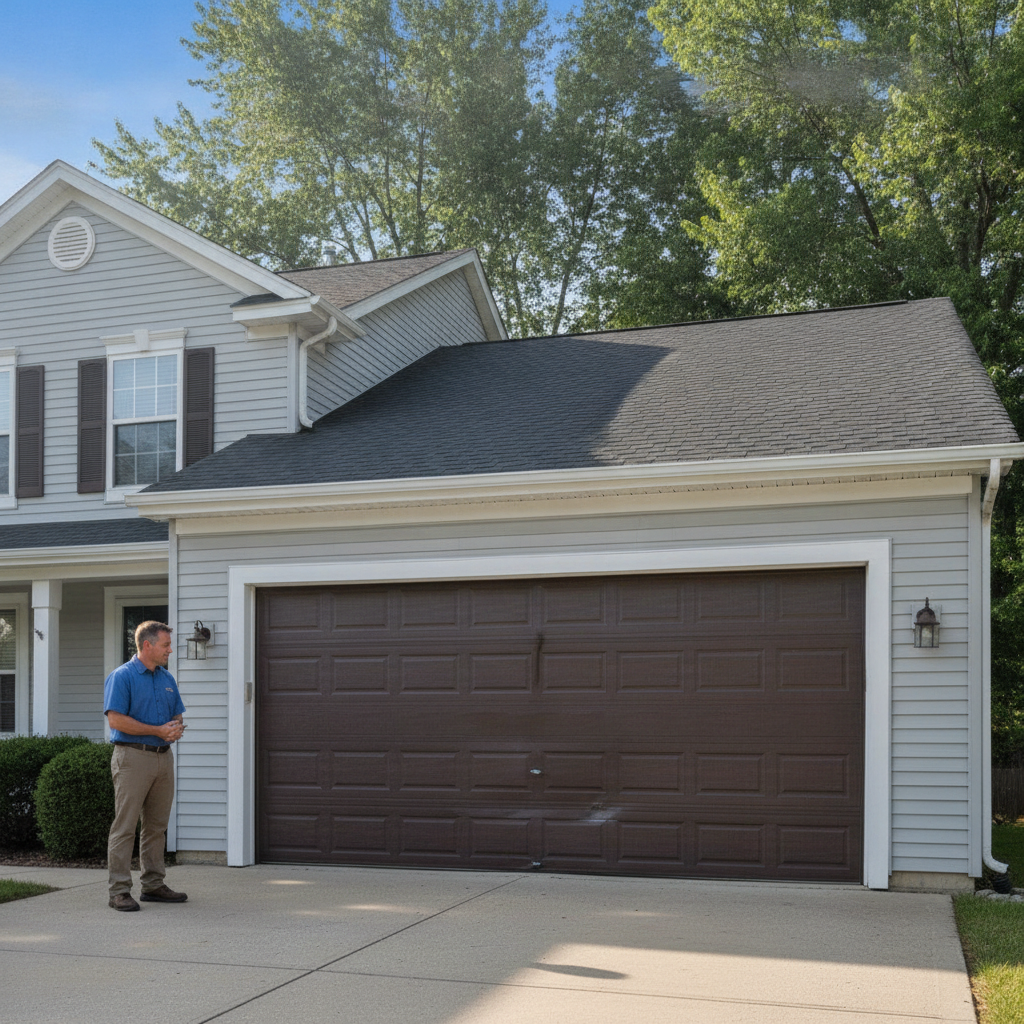
Garage door panels buckle when a section is stressed beyond its design. Causes include physical impact, inadequate reinforcement, excessive opener force, moisture or corrosion, and underlying hardware or structural problems. A buckled panel can interfere with operation, reduce weather protection, and increase wear on hinges, rollers, tracks, springs, and the opener.
Why Buckling Matters
Sectional doors are made of horizontal panels joined by hinges. Each panel must remain straight enough to transfer load and follow the track curve. When a panel bows or dents, force is no longer distributed evenly. That can cause rubbing, binding, or uneven movement, increasing the risk of additional damage and potentially creating gaps that compromise security and weather sealing.
Impact Damage and Hidden Bends
One of the most common causes of a buckled panel is impact. Vehicles, tools, sports equipment, or yard items can dent a section, concentrating force that weakens the panel. Insulated steel doors may show an outer crease while internal damage remains hidden; wood panels can split, swell, or separate at joints.
After an impact, avoid repeatedly operating the door. A damaged section may catch in the track or pull on connected parts. From a safe distance, look for visible creases, uneven panels, loose fasteners, or rollers that are not seated. Do not attempt to bend the panel back while the door is under tension or connected to the opener.
Weak Reinforcement and Opener Strain
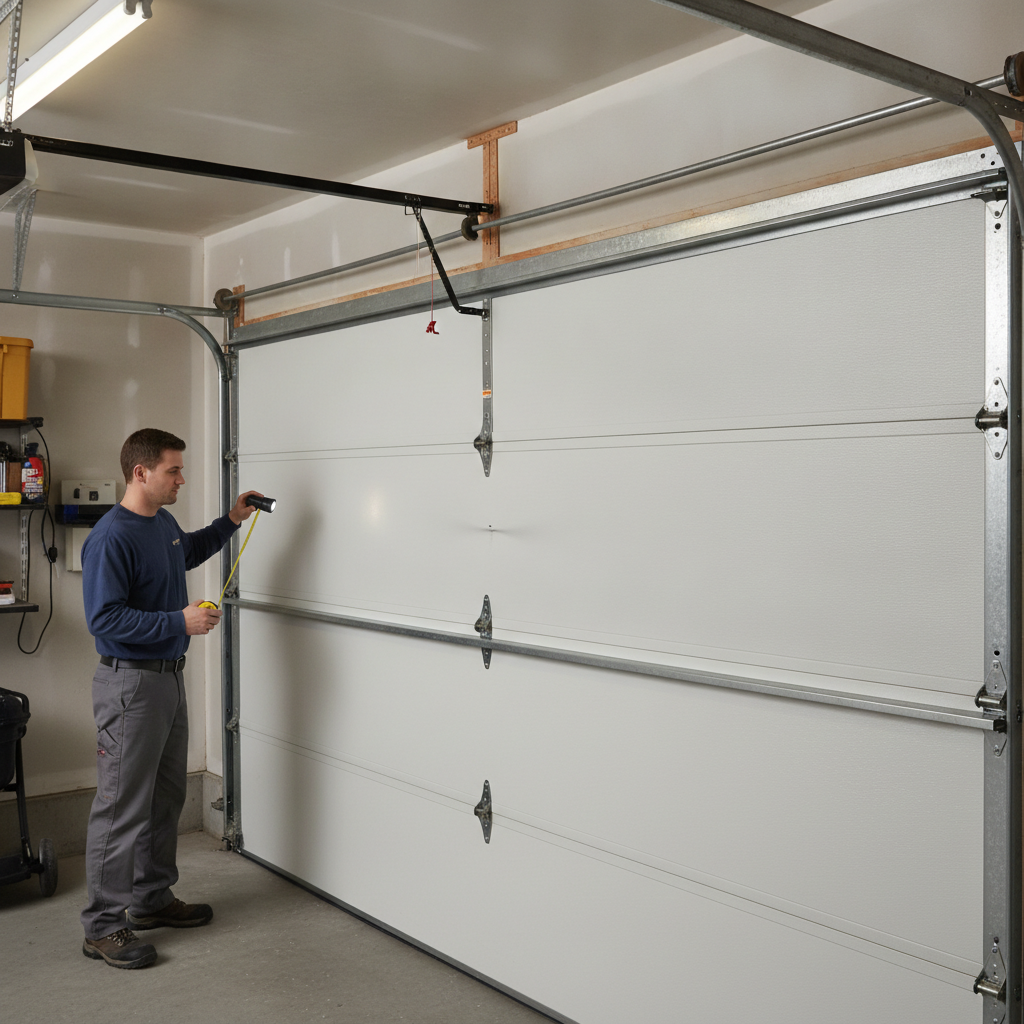
Panels that lack proper internal reinforcement are more likely to flex until they bend. This is common with very wide doors, lightweight materials, older doors, or doors with large window areas. Reinforcement struts—usually across specific sections—spread loads and help resist bending. A missing, damaged, or loose strut can let a panel flex under normal operation.
The area where the opener attaches is particularly vulnerable. Openers pull the door from the top section, so if that panel lacks strength the opener’s force can cause inward bending or cracking near the attachment point. Similarly, if the door is hard to lift manually, out of balance, or rubbing the tracks, the opener may strain and worsen panel damage. If an opener jerks, grinds, or keeps pushing against a stuck door, stop testing it and have a technician inspect the system.
Moisture, Rust, and Material Decay
Exposure to water and humidity weakens panels over time. On steel doors, chipped paint or exposed edges allow rust to form, thinning the metal and making it easier to dent or buckle. On wood doors, moisture can cause swelling, rot, or joint separation. The bottom panel often suffers first because it sits nearest runoff and wet surfaces.
Check safely for peeling paint, surface rust, soft spots in wood, cracked caulk, or gaps in seals. Avoid prying or removing hardware. If corrosion has reached hinges, brackets, or fasteners, professional evaluation is recommended before attempting repairs.
Hardware and Structural Concerns
A buckled panel may be a symptom of problems elsewhere. Bent tracks, worn rollers, loose or cracked hinges, uneven springs, or cable issues can all cause the door to twist or load one section unevenly. These components work together; failure in one area often shows up as panel deformation.
Hinges play a key role in panel alignment. If you notice loose fasteners, movement between sections, or visible damage, check guidance on how to know when garage door hinges need replacing for common warning signs homeowners can observe. Cracked hinges are a specific risk because they let panels move out of alignment; this article explains what causes garage door hinges to crack and why that matters for panel stability.
Never attempt to adjust springs, cables, or bottom brackets yourself. These are high-tension parts and can be dangerous. If a cable appears loose, a spring is visibly damaged, or the door hangs unevenly, stop using the door and contact a qualified technician.
Safe Homeowner Checks
You can gather useful information without disassembly. These observations help a technician diagnose the problem faster:
- Note whether the damage is limited to one panel or affects multiple sections.
- Look for dents, creases, cracked material, rust, or soft wood.
- Watch from a safe distance to see whether the door bows, rubs, or binds during movement; stop if it jerks or grinds.
- Listen for unusual sounds such as scraping, popping, or opener strain.
- Check for gaps around the bottom or sides and whether the opener arm attaches to a reinforced area of the top panel.
Avoid standing under the door, loosening fasteners, or trying to reshape panels. Do not adjust opener force settings or manipulate springs and cables—these actions can create unsafe conditions or mask the underlying cause.
Frequently Asked Questions
Can a buckled garage door panel be repaired?
Sometimes. Minor dents or localized bends may be repairable or reinforced, but severe creases, extensive rust, or damage to support points often require panel replacement or a full door replacement.
Is it safe to keep using a garage door with a buckled panel?
If the door operates smoothly with no rubbing, binding, or visible strain, brief limited use may be acceptable, but any rubbing, misalignment, or opener strain is a sign to stop and get a professional inspection.
Why is my top garage door panel bending inward?
The top panel can bend if it lacks reinforcement or if the opener is pulling against resistance. A technician should inspect the opener attachment, panel reinforcement, and door balance.
When to Schedule an Inspection
Schedule professional service whenever a panel is sharply creased, the door will not move smoothly, the opener is straining, cables or hinges look compromised, or the door appears out of square. Continued operation can worsen damage and create unsafe conditions.
Ultimate Garage Doors LLC serves Indianapolis and Central Indiana, helping homeowners evaluate buckled panels, opener strain, and related hardware issues. If your garage door panels are buckling or the door seems unsafe, avoid forcing it and request a free garage door estimate from Ultimate Garage Doors LLC.