
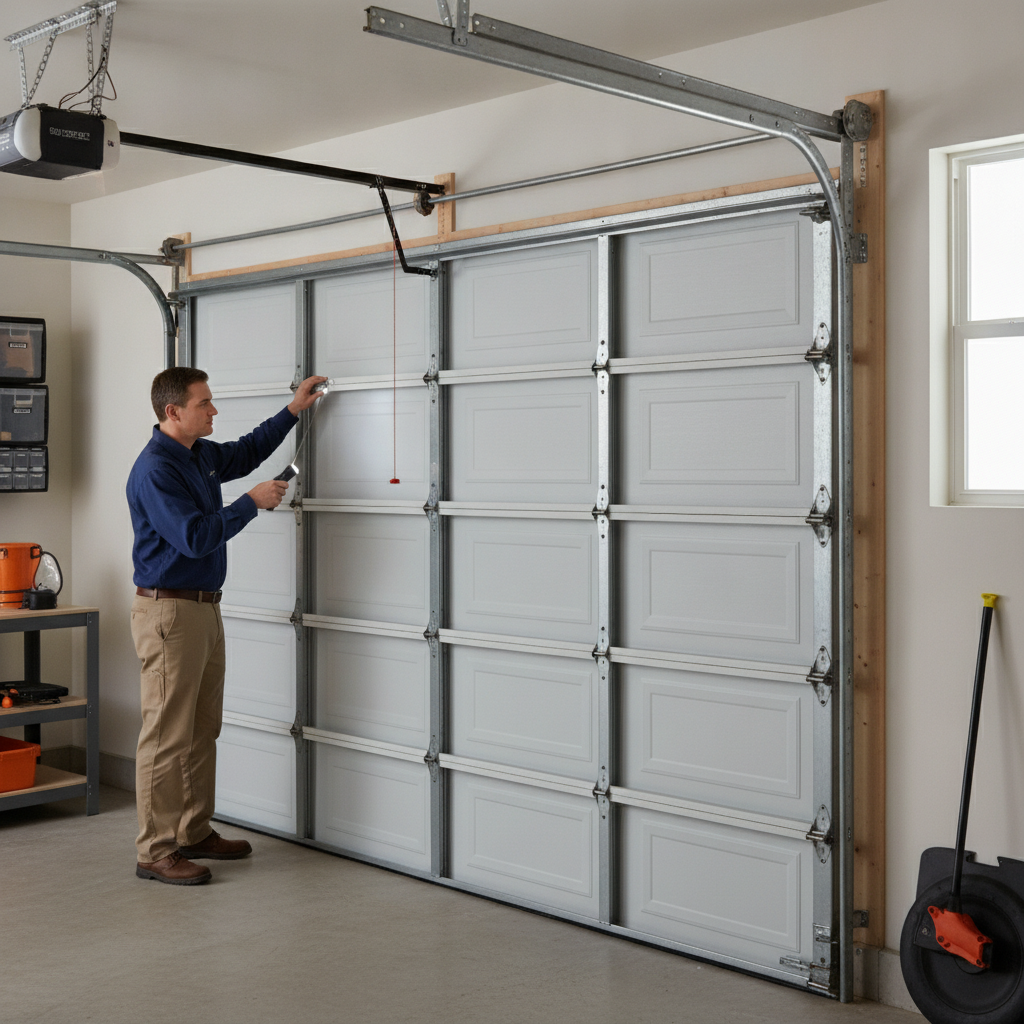
How long do garage door cables last? There is no fixed expiration date, but a properly installed garage door cable on a balanced residential door should last for many years. Actual cable life depends on moisture, rust, fraying, daily use, door balance, installation quality, and how often the system is inspected.
Garage door cables are safety-critical parts. They help lift and lower the heavy door by working with the spring system. Because cables are under tension, homeowners should inspect them visually but should not try to repair, remove, or adjust them. If a cable looks damaged or the door hangs crooked, stop using the door and call a qualified garage door technician.
What Determines How Long Garage Door Cables Last?
Garage door cables do not wear out on a calendar schedule. Two homes with the same type of door can have very different cable life because the conditions are different. A lightly used, properly balanced door in a clean garage may keep its cables in good condition longer than a heavy door that opens many times each day.
The biggest factors include:
- Corrosion: Moisture, road salt, and humidity can weaken cable strands over time.
- Fraying: Individual wire strands can break from wear, rubbing, or misalignment.
- Usage: More open-and-close cycles create more movement and stress.
- Installation quality: Incorrect routing, poor drum alignment, or mismatched parts can shorten cable life.
- Door balance: A door that is too heavy for its spring system can overload cables.
- Inspection frequency: Small issues are easier to catch before they become dangerous failures.
In Central Indiana, winter slush and road salt can also enter the garage on vehicles. As that moisture evaporates or drips near the door, it may contribute to rust on exposed metal parts, including cables, bottom brackets, hinges, and tracks.
Corrosion Is One of the Biggest Cable Problems
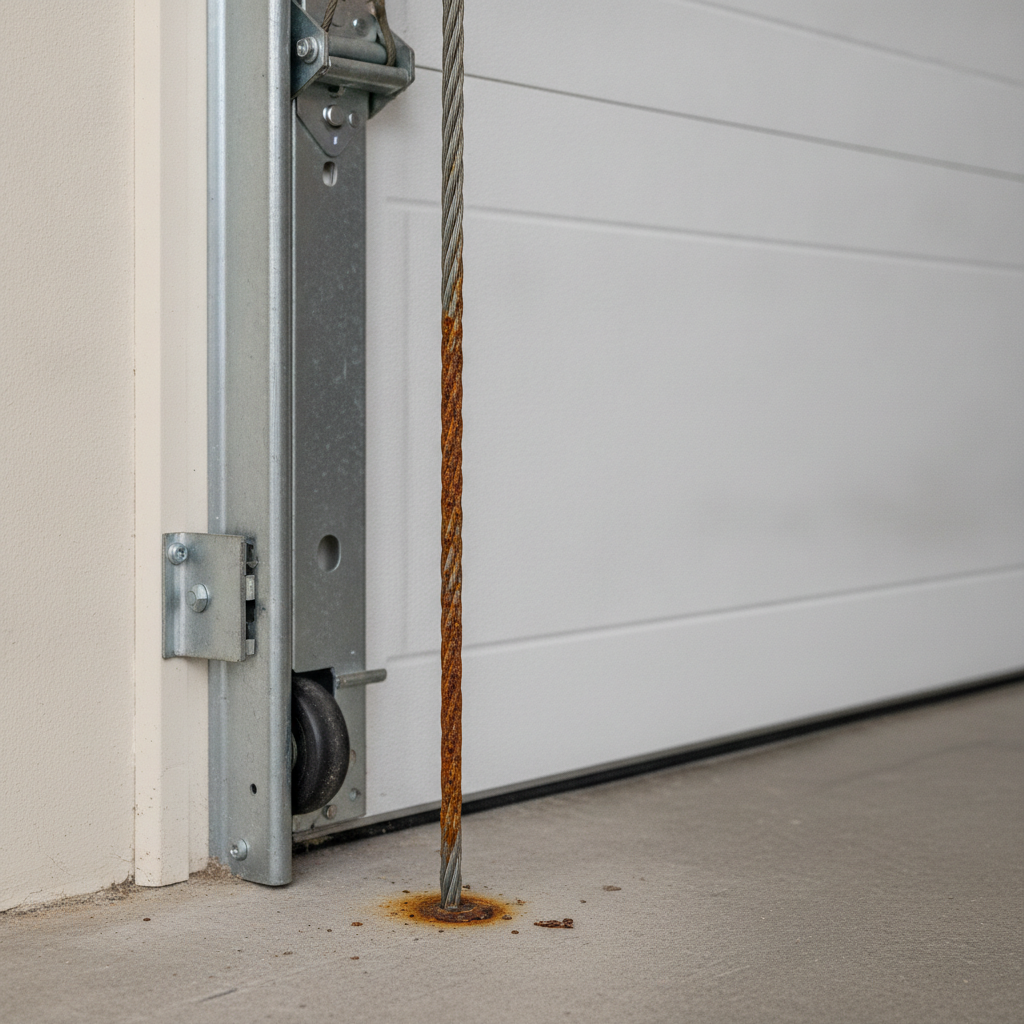
Garage door cables are made from wound steel strands. That construction gives them strength and flexibility, but it also creates small spaces where moisture can collect. When rust forms, it can spread along the strands and reduce the cable’s ability to handle tension.
Surface rust does not always mean a cable is about to fail. However, corrosion should never be ignored. Rust can hide broken strands, make the cable rough, and increase friction as it wraps around the drum. Over time, that friction can accelerate wear.
Safe signs a homeowner may look for include:
- Orange or brown rust along the cable
- Dark staining near the bottom bracket or cable drum
- Rough, crusty, or pitted cable surfaces
- Rust flakes on the garage floor near the door
- Cables that look thinner in one section
Do not scrape, pull, or bend a rusty cable to test it. That can make a weak cable more likely to fail. Instead, keep people and pets away from the door area and schedule a professional inspection if corrosion appears significant.
Fraying Means the Cable Is Already Wearing Down
Fraying happens when individual wire strands in the cable begin to break. A frayed cable may look fuzzy, kinked, or separated in one area. It may also have sharp wire ends, so avoid touching it with bare hands.
Fraying can occur for several reasons. For example, the cable may be rubbing against a track edge, winding unevenly on the drum, or carrying extra load because the door is out of balance. Also, a damaged bottom bracket or misaligned cable drum can create stress that wears the cable faster.
If a cable is visibly frayed, the safest choice is to stop operating the door. A frayed cable may still hold the door temporarily, but the remaining strands are carrying more tension than intended. As a result, the door may become crooked, jammed, or unstable if the cable breaks.
If you want to understand the risks of a complete cable failure, review what can happen when a garage door cable snaps. The main point is simple: a damaged cable is not a good candidate for do-it-yourself repair.
Daily Use and Door Weight Affect Cable Life
Every time your garage door opens or closes, the cables move with the spring system. More cycles mean more bending, winding, and unwinding. A front-entry garage used by a busy household may put much more wear on cables than a detached garage opened only a few times a week.
Door weight also matters. Large wooden doors, insulated steel doors, and commercial doors can place more demand on the lifting system. The cables must be correctly matched to the door and the spring setup. If the spring system is weak, broken, or poorly adjusted, the cables may carry stress they were not designed to handle.
Watch for changes in how the door moves. A healthy door should travel smoothly and evenly. However, if one side rises faster, one cable goes slack, or the door appears tilted, stop using the opener. Uneven movement can point to cable, spring, drum, track, or balance problems.
One common warning sign is uneven cable tension. If you notice one side looks tighter or looser than the other, the issue may involve the cable path, drum, spring balance, or a shifted door. This explanation of why one garage door cable is tighter covers why that symptom deserves attention.
Installation Quality Makes a Major Difference
Garage door cables need to be the correct size, length, and type for the door system. They also need to wind properly on the drums and connect correctly at the bottom brackets. Even a strong new cable can wear early if it is installed poorly or paired with worn hardware.
Installation quality affects cable life in several ways:
- Incorrect cable size: A cable that is not suited to the door may not handle the load properly.
- Poor drum winding: Overlapping or uneven winding can create abrasion and stress.
- Misaligned tracks: A door that binds in the tracks can strain the cables.
- Worn rollers or hinges: Extra resistance can affect the lifting system.
- Improper spring balance: Springs and cables must work together, not against each other.
Because the cable system is connected to high-tension springs and bottom brackets, cable replacement is not a safe homeowner project. A trained technician can inspect the full system, identify the cause of the wear, and confirm that the door is balanced after the work is complete.
How Often Should Garage Door Cables Be Inspected?
Homeowners can do quick visual checks a few times a year. This is especially useful before winter, after winter, and after any event that changes how the door moves. Meanwhile, a professional maintenance visit can include a more complete inspection of cables, springs, rollers, tracks, hinges, opener settings, and safety sensors.
A safe homeowner check should be simple and hands-off. Stand to the side of the door, keep the door closed, and look at the visible cable runs near the tracks and drums. Do not place fingers near the drums, bottom brackets, or any moving parts. Also, do not disconnect the opener or lift the door if the cable looks loose, frayed, or damaged.
Look for these warning signs:
- Frayed, broken, or separated cable strands
- Rust, pitting, or heavy corrosion
- A cable hanging loose near one side of the door
- A crooked door or one side sitting higher than the other
- Popping, scraping, or grinding noises during movement
- The door reversing, binding, or struggling to move
- Cable coils that look messy or uneven on the drum
If any of these signs appear, avoid using the door until it has been inspected. Continuing to run the opener can make the problem worse because the opener may force the door against a cable or balance issue.
Frequently Asked Questions
Can I keep using my garage door if one cable is frayed?
No. A frayed cable is already weakened. Stop operating the door, keep people and pets away, and have a garage door professional inspect it before further use.
Do both garage door cables need to be replaced at the same time?
Often, technicians recommend replacing both cables because they usually have similar age and wear. However, the best answer depends on the door’s condition after inspection.
Can I lubricate garage door cables to make them last longer?
Do not rely on lubricant to fix cable wear, rust, or fraying. Some maintenance products can attract dirt, and damaged cables still require professional evaluation.
When to Call a Garage Door Professional
Call a professional if you see fraying, corrosion, loose cable, uneven tension, a crooked door, or any change that makes the door feel unstable. You should also stop using the door if it becomes off-track, hangs at an angle, or makes unusual snapping, grinding, or scraping sounds.
Ultimate Garage Doors LLC helps homeowners and property owners in Indianapolis and surrounding Central Indiana with cable concerns, door balance issues, damaged doors, and preventive maintenance. If you suspect your cables are worn or unsafe, request a free garage door estimate and have the system checked before the damage gets worse.