
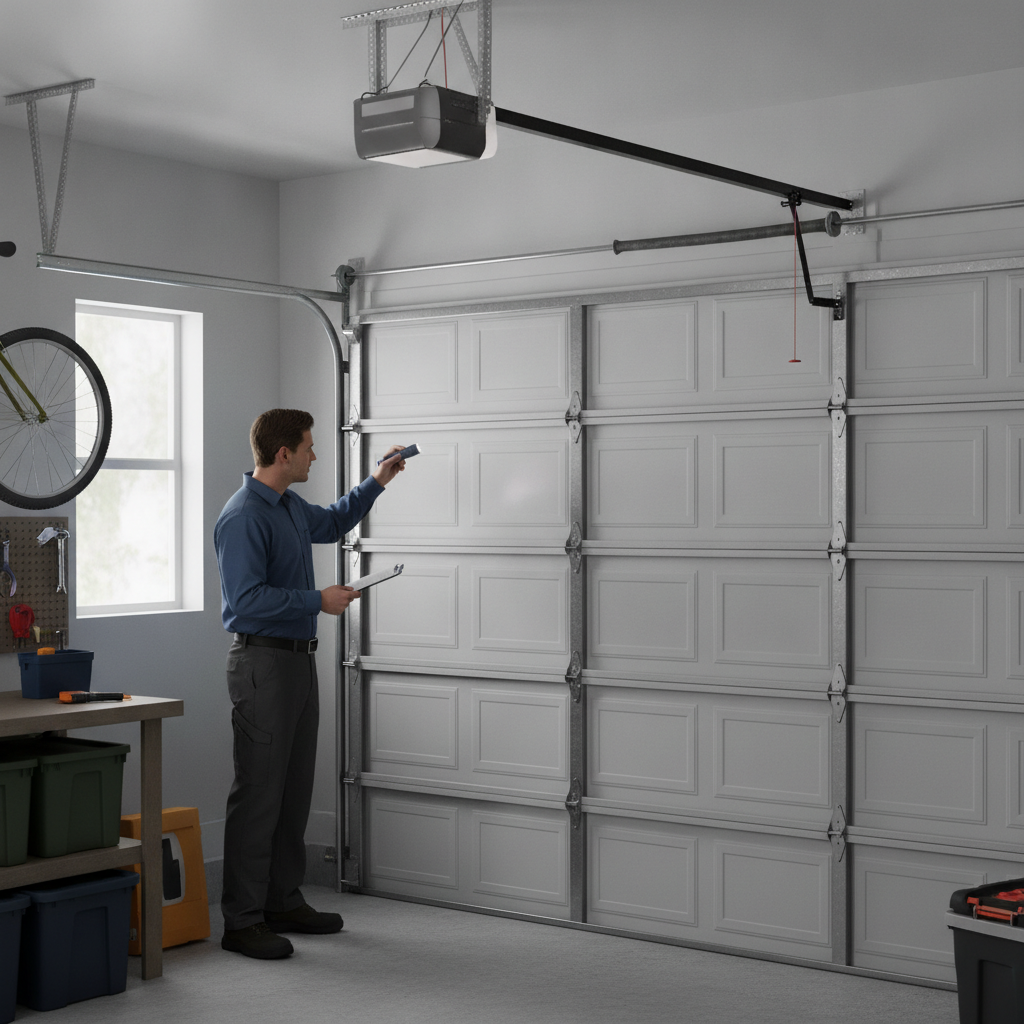
Preventive garage door maintenance can extend garage door life by reducing strain on moving parts, catching small problems before they spread, and helping the door operate safely and reliably. A garage door is a large moving system, and even normal daily use can wear down rollers, hinges, springs, cables, tracks, weather seals, and opener components over time.
For many homes in Indianapolis and Central Indiana, the garage door is used several times a day. That repeated movement makes maintenance more than a nice extra. It is one of the most practical ways to protect the door, avoid avoidable damage, and keep the system working as intended.
Why Preventive Garage Door Maintenance Matters
A garage door does not usually fail all at once without warning. In many cases, small issues appear first. The door may get louder, move unevenly, shake more than usual, or hesitate before closing. Preventive maintenance helps identify those warning signs early.
Maintenance also keeps the door system balanced and aligned as much as possible. When one part wears out, the rest of the system often works harder. For example, worn rollers can make the opener strain. Loose hardware can allow extra vibration. Damaged weather seals can let moisture and debris affect the bottom of the door.
As a result, regular maintenance can help reduce the chance that one minor problem turns into several related repairs. It also gives homeowners a clearer sense of the door’s condition before a major failure interrupts daily use.
Preventive Garage Door Maintenance Reduces Everyday Wear
Every garage door has parts that move, flex, roll, lift, or support weight. These parts experience normal wear each time the door opens or closes. Maintenance cannot stop wear completely, however, it can slow unnecessary stress caused by friction, misalignment, loose fasteners, or neglected components.
Common wear points include:
- Rollers: Rollers help the door move through the tracks. Worn or damaged rollers can make the door noisy or jerky.
- Hinges: Hinges allow door sections to bend as the door travels. Loose or worn hinges can increase vibration.
- Tracks: Tracks guide the door. Bent, obstructed, or misaligned tracks can interfere with smooth travel.
- Springs: Springs carry much of the door’s weight. They are high-tension parts and should only be handled by trained technicians.
- Cables: Cables work with the spring system to lift and lower the door. Damaged cables can create unsafe conditions.
- Weather seals: Seals help block water, debris, insects, and drafts from entering around the door.
During maintenance, a professional can inspect how these parts are working together. This matters because garage doors rely on balance. If the door becomes harder to lift, uneven, or noisy, the opener may be forced to do work it was not designed to handle. Therefore, maintenance helps protect both the door and the opener.
Early Fault Detection Helps Prevent Bigger Problems
One of the biggest benefits of maintenance is early fault detection. A garage door problem may seem minor at first, but repeated operation can make it worse. A small roller issue may contribute to track wear. A loose hinge may strain a door section. A frayed cable may indicate a serious safety concern.
Homeowners can safely look and listen for changes. For example, you may notice scraping sounds, gaps around the door, a door that closes unevenly, or an opener that seems to struggle. These observations are useful, but they should not turn into risky do-it-yourself repairs.
Some parts should not be adjusted by homeowners because they are under heavy tension or support the full weight of the door. Springs, cables, bottom brackets, and related hardware can cause serious injury if handled incorrectly. For more detail on this safety boundary, see these parts homeowners should never adjust.
If a garage door is crooked, hanging, off track, or supported by damaged cables, stop using it. Keep people and pets away, avoid standing beneath the door, and contact a qualified garage door professional. Continuing to operate an unstable door can increase damage and create unsafe conditions.
Safer Operation Comes From a Well-Maintained System
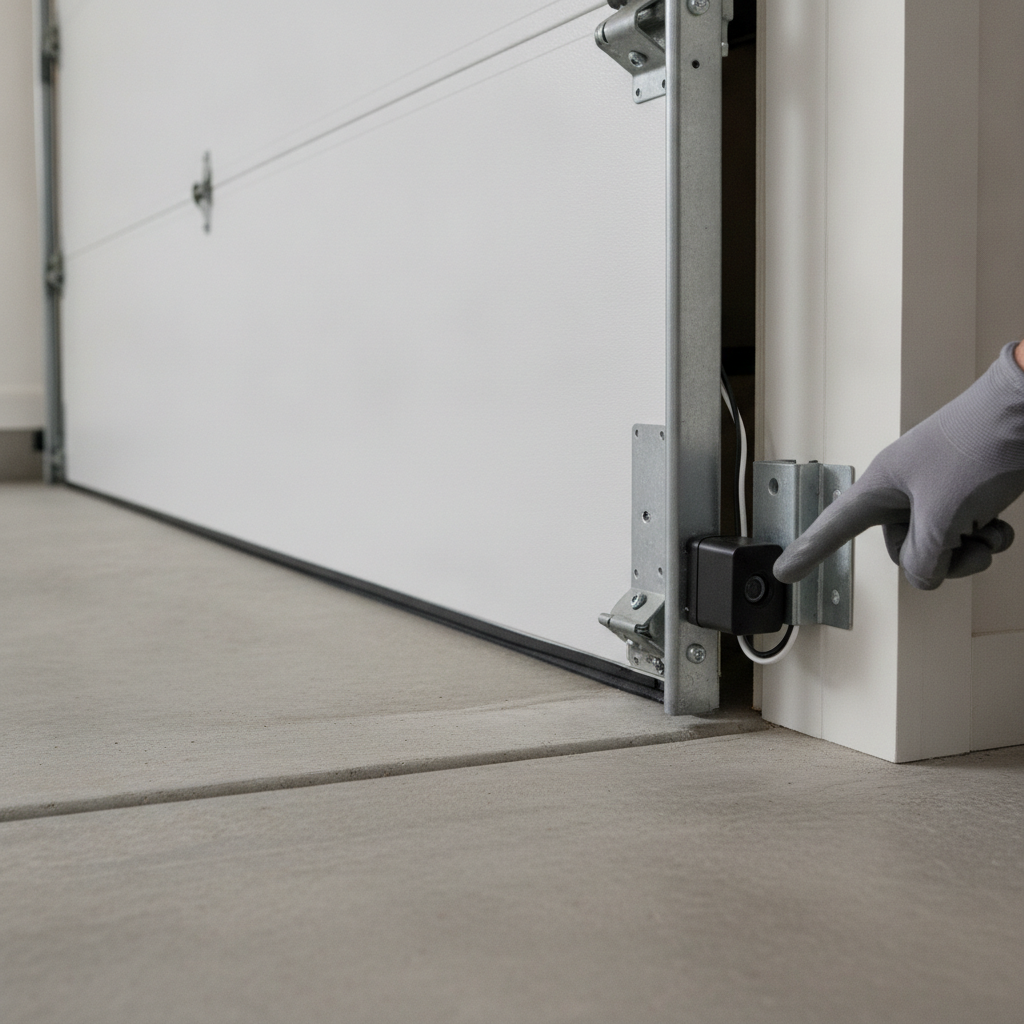
A garage door is one of the largest moving objects in a home. Safe operation depends on more than the opener remote working correctly. The springs, cables, rollers, tracks, hinges, opener force settings, and safety sensors all play a role.
Preventive maintenance supports safer operation by helping confirm that the system moves smoothly and stops as expected. Safety sensors, for example, are designed to detect obstructions near the floor and prevent the door from closing on an object in the path. If sensors are dirty, misaligned, or blocked, the door may reverse unexpectedly or fail to close.
Homeowners can safely keep the sensor area clear and watch for blinking indicator lights. They can also listen for unusual sounds and check whether the door appears level from the inside. However, diagnosing electrical issues, correcting door balance, or servicing high-tension components should be left to a technician.
Regular maintenance is also helpful after seasonal changes. Cold, heat, humidity, and daily temperature swings can affect lubrication, seals, metal parts, and opener performance. This is especially relevant in Indiana, where weather can shift quickly from one season to the next.
Better Reliability for Daily Use
A reliable garage door matters because it protects access to the home, stored belongings, vehicles, and workspaces. When the door is poorly maintained, small faults can lead to inconvenient breakdowns. Meanwhile, regular maintenance makes it easier to spot issues before the door becomes stuck open, stuck closed, or unsafe to use.
Preventive maintenance can help with reliability in several ways:
- Reducing friction so the opener does not work harder than necessary
- Identifying worn rollers, hinges, or seals before they cause secondary damage
- Checking for loose or damaged hardware that may increase vibration
- Watching for cable wear, spring issues, or door balance problems
- Helping the door close fully and seal more consistently
- Reducing avoidable noise during normal operation
Reliability is not just about avoiding a sudden breakdown. It is also about consistent day-to-day performance. A door that opens smoothly, closes evenly, and responds predictably places less stress on its parts. Because of that, maintenance can contribute to longer service life for the overall system.
What Homeowners Can Safely Check Between Service Visits
Homeowners do not need to repair the door to help maintain it. Safe observation is often enough to catch changes early. If you want a more detailed seasonal routine, this garage door maintenance checklist outlines practical checks homeowners can use without attempting high-risk repairs.
Between professional visits, you can safely watch for:
- New grinding, squeaking, popping, or scraping sounds
- A door that moves unevenly or appears crooked
- Visible gaps, cracks, or damage in the weather seal
- Loose-looking hinges or brackets without touching high-tension parts
- Rollers that appear cracked, chipped, or wobbling
- Safety sensors that are blocked, dirty, or knocked out of position
- An opener that strains, hums, or reverses unexpectedly
If you notice a problem, avoid forcing the door open or closed. Also avoid pulling on cables, adjusting springs, or removing brackets. Those repairs require proper tools, training, and safety procedures.
Frequently Asked Questions
How often should a garage door receive preventive maintenance?
Many homes benefit from a professional inspection about once a year, though heavily used doors may need attention sooner. If the door becomes noisy, uneven, or unreliable, schedule service before the problem worsens.
Can preventive maintenance stop every garage door repair?
No. Parts still wear out over time, and unexpected damage can happen. However, preventive maintenance can reduce avoidable strain, catch early warning signs, and help limit secondary damage.
Is garage door maintenance a DIY job?
Some visual checks and cleaning around the sensors are safe for homeowners. Repairs involving springs, cables, bottom brackets, door balance, or off-track doors should be handled by a trained garage door technician.
When to Schedule Professional Garage Door Maintenance
Professional help is appropriate if your door is noisy, uneven, slow to respond, hard to lift, off track, or showing visible cable, spring, roller, or panel damage. You should also stop operating the door if it appears unstable, crooked, or stuck. Keep people and pets away until it has been inspected.
Ultimate Garage Doors LLC provides garage door repair, maintenance, opener service, and replacement support for homeowners and property owners in the Indianapolis area. If your door is due for maintenance or showing early signs of trouble, request a free garage door estimate and have the system checked by a professional.