Choosing between nylon vs steel garage door rollers usually comes down to noise, durability, maintenance, and budget. For many residential garage doors, nylon rollers are the quieter and more homeowner-friendly choice. Steel rollers can still make sense where toughness and lower upfront cost matter more than sound.
Rollers are small parts, but they have a major effect on how smoothly your door moves. They ride inside the vertical and horizontal tracks as the door opens and closes. When rollers wear out, the door may shake, squeak, bind, or sound much louder than it should.
Nylon vs Steel Garage Door Rollers: The Main Differences
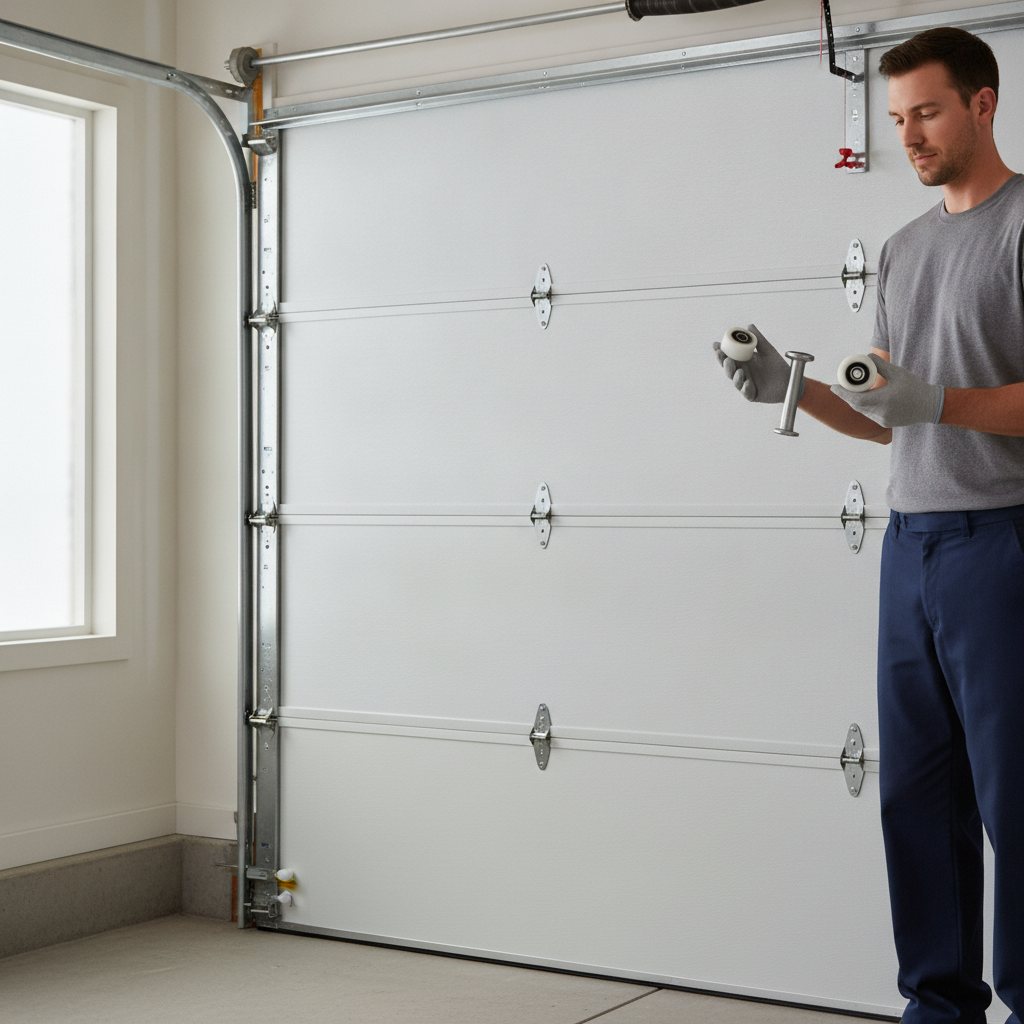
Nylon and steel rollers do the same basic job, but they behave differently during daily use. A nylon roller has a wheel made from nylon or a nylon-coated material. A steel roller has a metal wheel that runs along the metal track.
The bearing design also matters. Some rollers have sealed ball bearings, while lower-grade rollers may have exposed bearings or no true bearing system. A high-quality nylon roller with sealed bearings can outperform a basic steel roller in smoothness and sound. However, a heavy-duty steel roller may be better suited for certain high-use or heavier doors.
- Nylon rollers: quieter, smoother, and often preferred for attached garages.
- Steel rollers: durable and economical, but usually louder on metal tracks.
- Sealed bearings: help reduce friction and protect the roller from dirt and moisture.
- Exposed bearings: may need more attention and can become noisy as they age.
Because roller quality varies, the material alone does not tell the whole story. The best choice depends on the door weight, opener condition, track alignment, and how often the door is used.
Noise: Why Nylon Rollers Are Usually Quieter
Noise is the reason many homeowners start comparing roller types. Nylon rollers are usually quieter because nylon does not create as much metal-on-metal vibration inside the track. This can make a noticeable difference when a garage sits below a bedroom, next to a living space, or near a home office.
Steel rollers tend to produce more sound. As the steel wheel moves through the steel track, vibration can travel through the door sections, hinges, opener rail, and framing. As a result, the whole garage door system may sound rough even if the opener is working normally.
Common roller-related sounds include:
- Grinding or rumbling during movement
- Squeaking when the door starts or stops
- Rattling along the horizontal track
- Shaking or chatter as the door changes direction
Rollers are not the only possible source of noise. Loose hinges, worn bearings, dry moving parts, spring issues, opener problems, or damaged panels can create similar sounds. A professional inspection is useful if the noise is new, severe, or combined with uneven movement.
Durability and Lifespan
Steel rollers are often viewed as the tougher option, and that can be true in demanding environments. Metal wheels can handle impact and heavier use well, especially when paired with quality bearings. However, steel can be louder and may be more affected by corrosion if moisture is present and maintenance is neglected.
Nylon rollers do not rust, which is helpful in areas that see rain, snow, road salt, and seasonal humidity. Central Indiana weather can bring all of those conditions. Nylon wheels can wear over time, but quality rollers with sealed bearings often provide long service on residential doors.
The expected life of a roller depends on more than material. Door weight, daily cycles, bearing quality, track condition, and maintenance all play a role. If you want more detail on replacement timing, Ultimate Garage Doors explains typical roller wear patterns in how long garage door rollers last.
Signs that either nylon or steel rollers may be worn include:
- Flat spots, cracks, or chips on the wheel
- Wobbling as the roller moves through the track
- Visible rust or damaged bearings
- Rollers that no longer spin freely
- A door that jerks, binds, or looks uneven in the track
If the door is crooked, hanging, off track, or difficult to move, stop using it. Keep people and pets away from the door, and do not try to force it open or closed. A damaged roller can sometimes be connected to track, cable, spring, or bracket problems that require trained service.
Maintenance Needs for Nylon and Steel Rollers
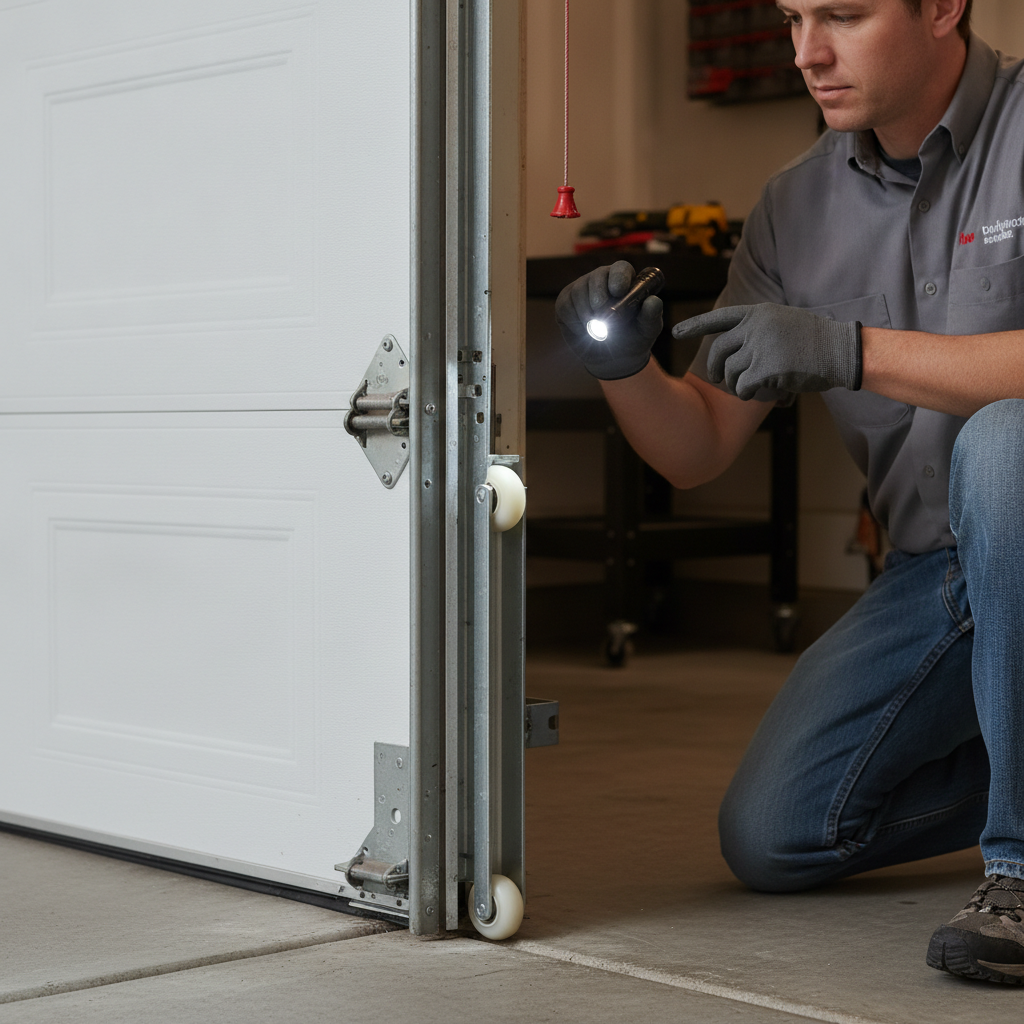
Both nylon and steel rollers benefit from routine garage door maintenance. The goal is to reduce friction, spot wear early, and prevent small issues from becoming larger repairs. The correct maintenance approach depends on the roller type and bearing design.
Nylon rollers with sealed bearings are often lower maintenance. The sealed bearing helps keep dirt and moisture out. These rollers may not require lubrication on the wheel itself, and spraying the nylon surface can attract dirt. The hinge pivot points and other moving metal parts may still need appropriate garage door lubricant.
Steel rollers may need more attention because metal wheels and exposed bearings can become noisy or corroded. A steel roller with exposed bearings may benefit from lubrication if the manufacturer design allows it. The tracks should generally be kept clean, but they should not be packed with grease because that can collect debris.
Safe homeowner checks include:
- Watching the door move from a safe distance
- Listening for new scraping, squeaking, or grinding sounds
- Looking for visibly cracked rollers or bent hinges
- Checking whether the track appears dirty or obstructed
Homeowners should avoid removing roller brackets, loosening bottom brackets, or working near cables and springs. Those parts may be under significant tension. If a door will not stay in place or feels unusually heavy, the issue may involve the counterbalance system rather than the rollers alone.
Cost and Value for Residential Garage Doors
Steel rollers often cost less upfront, especially basic versions without sealed bearings. That can make them appealing for detached garages, rental properties, or doors where noise is not a major concern. However, lower-cost rollers may become noisy sooner or require more frequent attention.
Nylon rollers often cost more than basic steel rollers, but many homeowners see better overall value because the door operates more quietly and smoothly. This is especially true for attached garages, insulated doors, and homes where the garage door is used several times per day.
The total project cost depends on the roller type, the number of rollers, door size, hardware condition, and whether other parts need service. A technician may also find worn hinges, misaligned tracks, or opener strain during inspection. Those issues can affect performance even after new rollers are installed.
It is also worth thinking about the garage door opener. Smooth rollers can reduce strain, but the opener still needs proper force settings, working safety sensors, and reliable reversal features. If opener replacement is also being considered, review the key garage door opener safety features that help protect people, pets, vehicles, and property.
Which Roller Type Is Better for Your Home?
For most residential garage doors, nylon rollers with sealed bearings are often the preferred option. They reduce noise, resist rust, and support smoother movement. They are a strong fit for attached garages and homes where comfort matters.
Steel rollers may be practical when budget is the main concern, the garage is detached, or a technician recommends a more rugged metal roller. They can also be suitable on certain heavier doors, depending on the complete hardware setup.
- Choose nylon rollers if you want quieter operation and reduced vibration.
- Choose sealed bearings if you want smoother movement and less maintenance.
- Consider steel rollers if the garage is detached and sound is less important.
- Ask for a professional opinion if the door is heavy, damaged, off track, or unusually noisy.
Rollers should match the door and track system. Installing the wrong size, stem length, or load rating can cause poor movement and premature wear. In some cases, the better repair is not only replacing rollers but also correcting alignment or replacing damaged hinges.
Frequently Asked Questions
Are nylon garage door rollers always better than steel?
No. Nylon rollers are usually better for quiet residential operation, but steel rollers can be useful for certain heavier doors, detached garages, or budget-focused repairs.
Can noisy rollers damage my garage door opener?
Worn rollers can increase drag, which may add strain to the opener. Opener problems, spring imbalance, or track issues can also cause noise and rough movement.
Should I replace garage door rollers myself?
Simple visual checks are fine, but roller replacement can involve brackets, tracks, cables, and spring tension. Professional service is safer, especially if the door is unstable.
When to Get Professional Roller Help
If your garage door is loud but still moves smoothly, a technician can inspect the rollers, hinges, tracks, opener, and balance to find the real cause. If the door is crooked, stuck, off track, or hanging unevenly, stop operating it and keep the area clear.
Ultimate Garage Doors LLC helps homeowners in Indianapolis and surrounding Central Indiana with roller replacement, garage door repair, maintenance, and related hardware concerns. If you are unsure whether nylon or steel rollers are right for your door, contact Ultimate Garage Doors LLC for professional guidance based on your actual door system.